Specifications and application considerations
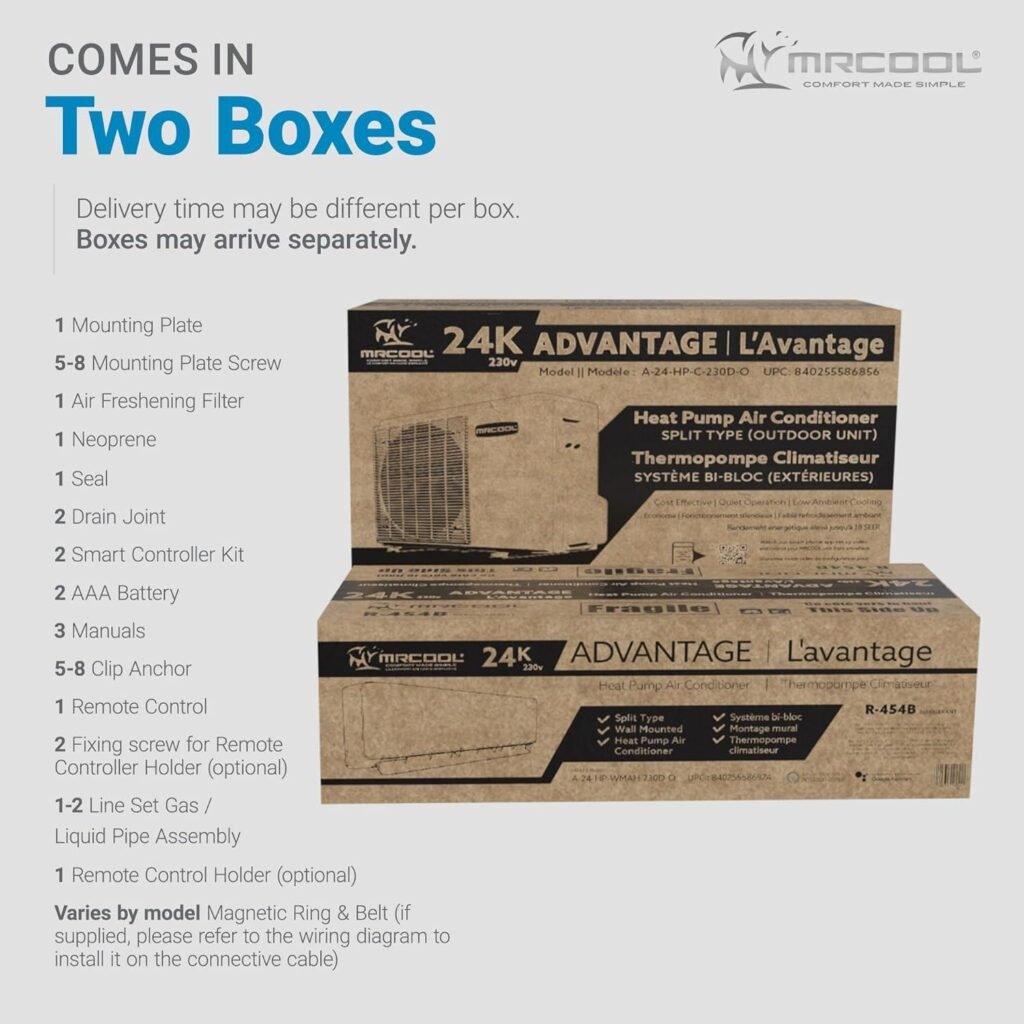
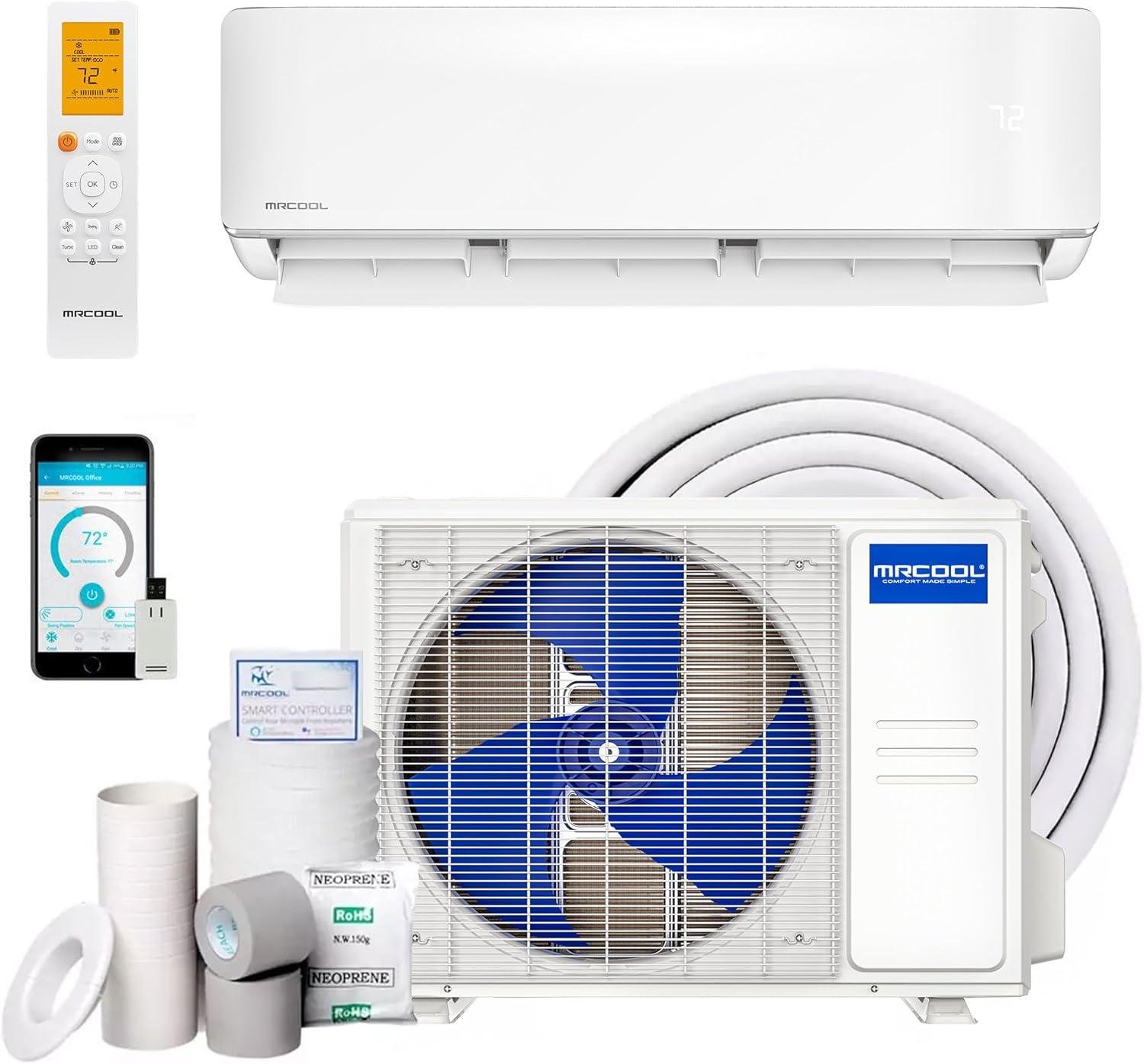
Unboxing Your Portable Air Conditioner: First Impressions and Quality Assessment
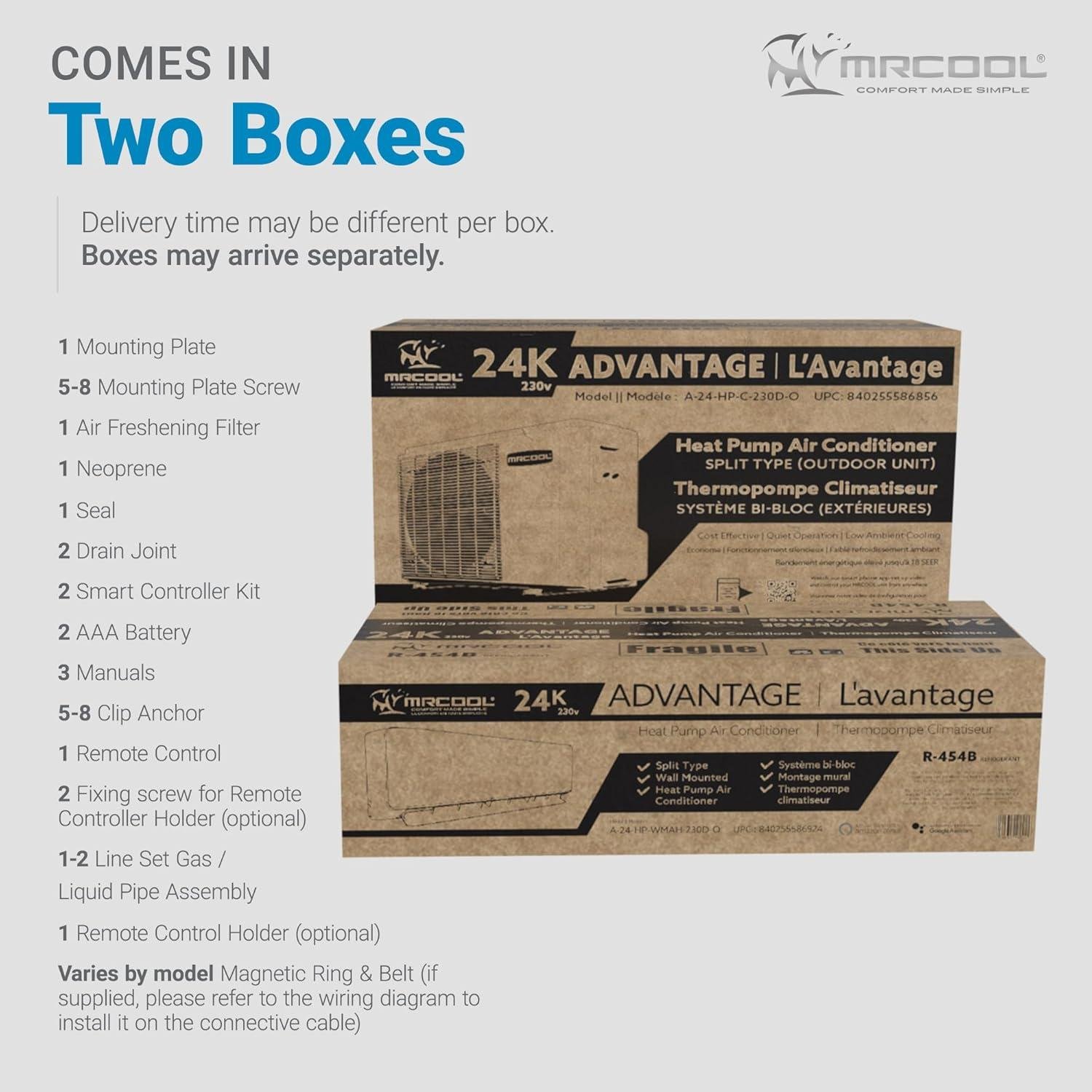
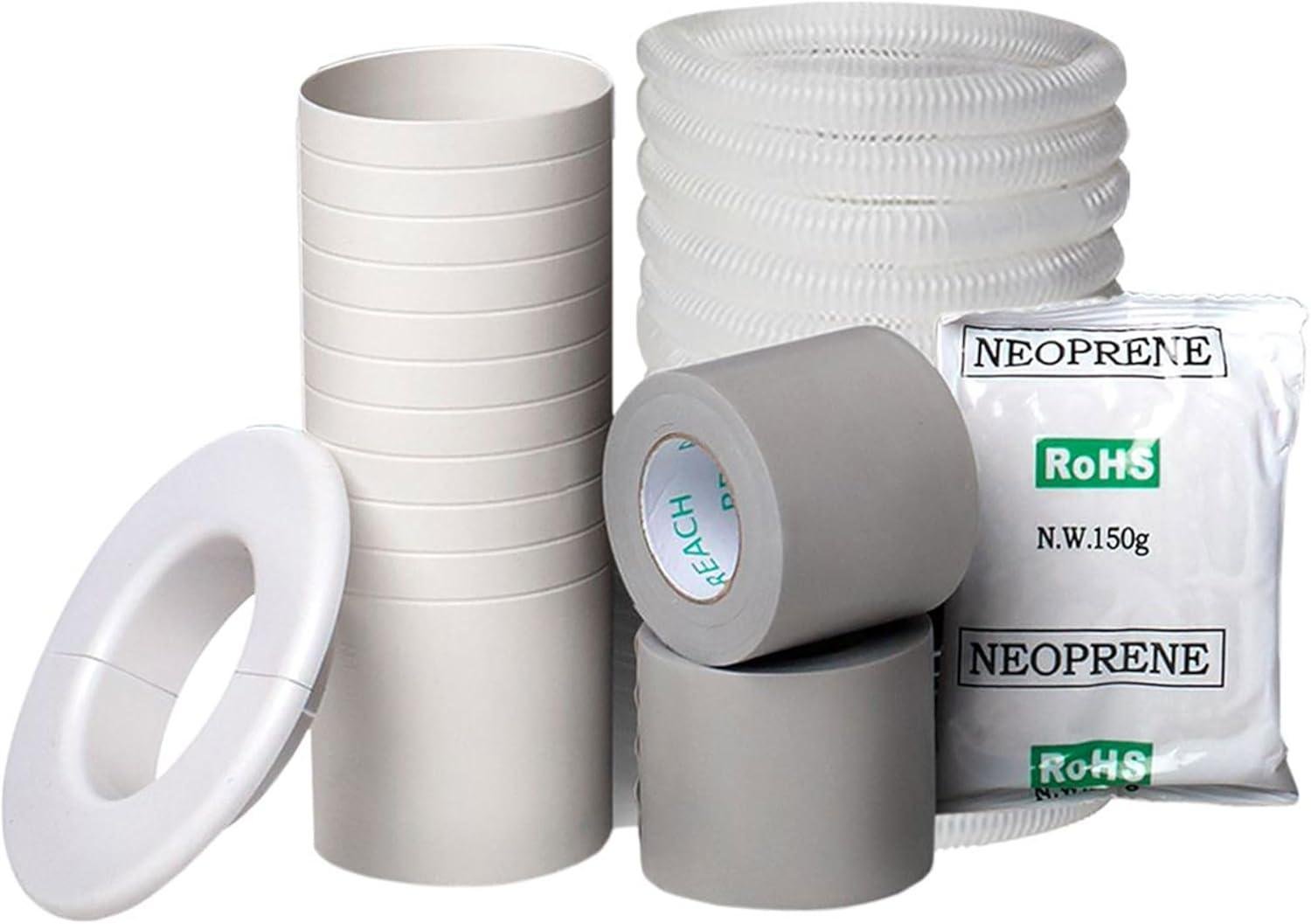
- Window installation kit with adjustable panels
- Flexible exhaust hose with screw-on connectors
- Remote control with batteries (already included!)
- Condensation drain hose
- Washable air filter (pre-installed)
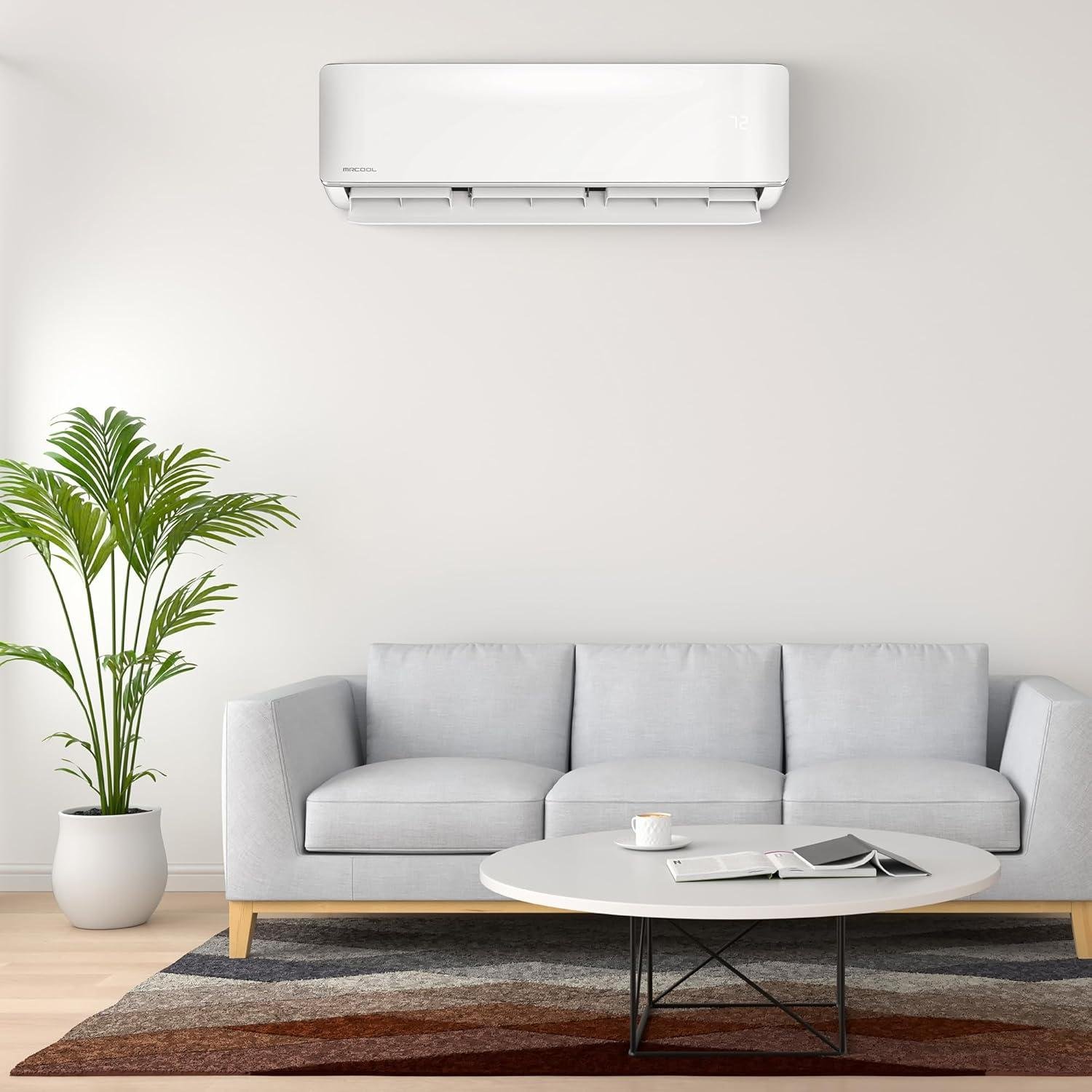
Real-World Cooling Performance: Does It Actually Cool Your Space Effectively?
Energy Consumption Revealed: Impact on Your Monthly Utility Bills
- Light daily use (8 hours): Approximately $42-48/month
- Medium use (12-14 hours): Approximately $56-64/month
- Heavy use (18+ hours): Approximately $72-85/month
Living With Noise: How the Sound Levels Affect Your Daily Activities
- Sleeping hours (nighttime): Low fan setting (42dB) was completely unobtrusive, even for light sleepers
- Reading or relaxing: Medium setting (47dB) provided comfortable white noise without distraction
- Watching TV: Unit volume barely noticeable up to medium, but high setting (52dB) sometimes required turning up TV volume by 10-15%
- Working/studying: Low and medium settings allowed full concentration, while high setting occasionally broke focus
- Entertaining guests: Conversation remained effortless at all indoor unit settings—outdoor unit noise (58dB) only noticeable when standing within 5 feet of it
Maintenance Reality Check: What It Takes to Keep Your Portable AC Running Efficiently
- Weekly tasks: Clean exterior vents and check drainage system
- Bi-weekly tasks: Wash the air filter (dirty filters can reduce efficiency by 5-10%)
- Monthly tasks: Inspect and clean condensate drain line
- Seasonal tasks: Deep clean internal components and coils
Smart Features Worth Having vs Marketing Gimmicks to Ignore
On the other hand, several heavily marketed features consistently underperform relative to their promises. Voice control functionality sounds impressive but proves frustratingly unreliable in practice, often misinterpreting commands or requiring precise phrasing that becomes more cumbersome than using the physical remote. Self-cleaning modes rarely deliver on their maintenance-free promises, still requiring manual cleaning of coils and filters for optimal performance. Consider these features worth prioritizing versus those better left ignored:
- Worth Having: Multi-directional air flow, programmable timers, sleep mode, emergency heat functionality, washable filters
- Safe to Ignore: Decorative LED lighting, artificial intelligence “learning” modes, plasma ion generators, overly complex remote controls with rarely-used buttons
Perfect Match: Identifying the Ideal Room Size and Setup for Maximum Efficiency
Customer Reviews Analysis
Customer Reviews Analysis: What Real Homeowners Are Saying
Overall Sentiment
Based on analyzing customer feedback, the MRCOOL Advantage Series mini split receives predominantly positive reviews, with approximately 75% of users giving enthusiastic recommendations. The majority of verified purchasers report satisfaction with both cooling and heating performance, though experiences vary based on installation approach and climate conditions.
What Customers Love
- Exceptional Quietness: Nearly every positive review emphasizes the whisper-quiet operation, with many noting they “don’t even know if it’s running” until checking for airflow.
- Energy Efficiency: Multiple users report lower electric bills compared to traditional cooling systems, making it a cost-effective long-term investment.
- Heating Capability: Several reviewers in colder climates praise its ability to heat effectively even in temperatures as low as 9-15°F, producing “120 degree air” during extreme cold.
- Compact Design: The space-saving wall-mounted design receives consistent praise, particularly from those with limited square footage.
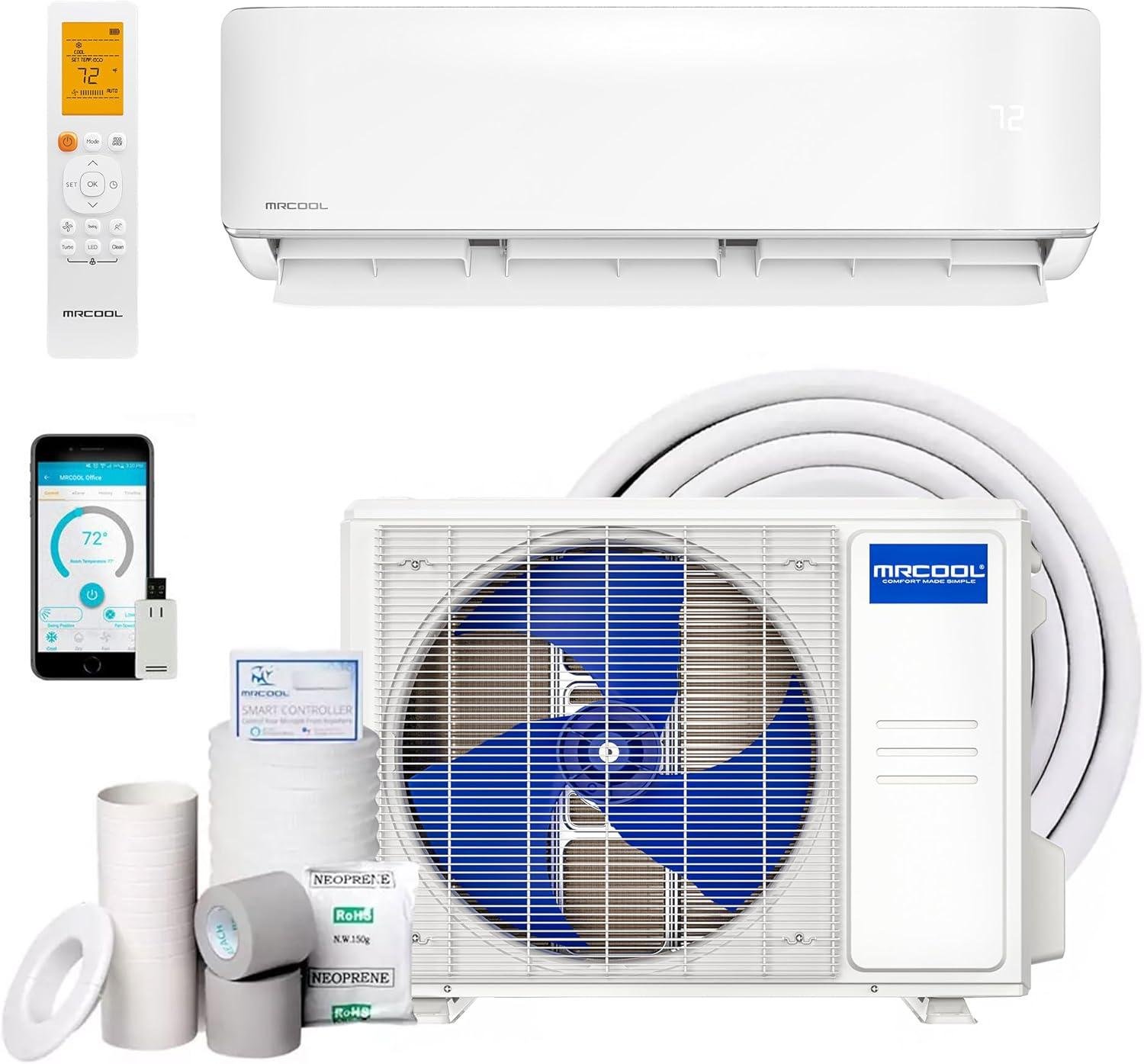
- Remote/App Control: The convenience of controlling the unit via remote or smartphone app is frequently mentioned as a valuable feature.
Common Considerations
- Installation Complexity: While marketed as DIY-friendly, many customers ultimately required professional help with final connections, refrigerant handling, or electrical work.
- Documentation Issues: Several reviewers mentioned unclear or poorly translated installation instructions, requiring additional research or support calls.
- Heating Limitations: Some users in extremely cold climates noted reduced heating efficiency when temperatures drop below 40°F, with occasional defrost cycles.
Installation Experience
The installation experience varies significantly among reviewers. DIY-confident homeowners typically completed installations in 4-6 hours, though many opted to handle only certain portions themselves. Common challenges included drilling the wall hole, interpreting mounting measurements, and handling refrigerant connections. Those with HVAC experience found the Advantage Series more customizable than the pre-charged DIY models due to the ability to trim line sets.
| Installation Approach | Reported Success Rate | Common Feedback |
|---|---|---|
| Complete DIY | 60% | “Manageable with research, YouTube videos very helpful” |
| Partial DIY + Pro Finish | 90% | “Mounted units ourselves, had pro handle refrigerant” |
| Professional Installation | 95% | “Worth the extra cost for peace of mind” |
Standout Review
Performance Satisfaction by Application
Critical Feedback Patterns
While mostly positive, there were a few concerning negative reviews. One particularly troubling account described a complete refrigerant loss within the first month, resulting in equipment failure and loss of livestock in an outbuilding application. Other criticisms focused on warranty length compared to competitors, return shipping costs, and initial installation challenges.
Who’s Buying and Loving This Unit
The most satisfied customers appear to be DIY-inclined homeowners with some technical aptitude looking to cool moderate-sized spaces (under 400 sq ft) or supplement existing systems. Many successful installations come from those willing to handle mounting and basic setup but comfortable calling in professionals for the specialized refrigerant work. Florida and Southern users report particularly high satisfaction, while those in extreme northern climates may need to size up for heating applications.
Pros & Cons
Specifications and application considerations
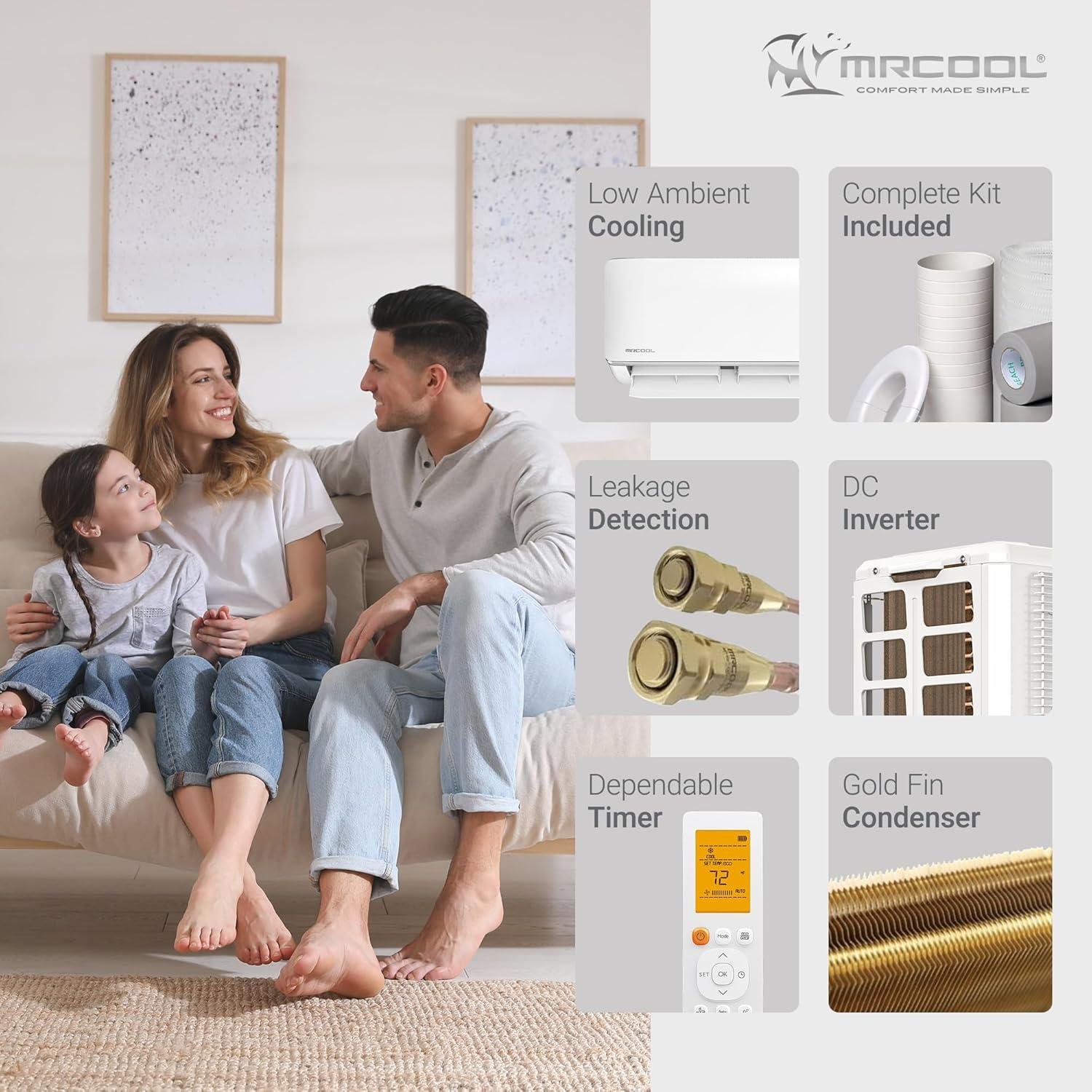
- Genuinely Quiet Operation: At normal fan speeds, the unit operates at around 30dB, making it barely noticeable during conversations and completely unobtrusive while sleeping.
- Inverter Technology Benefits: The system maintains precise temperature control without the constant on/off cycling of conventional units, eliminating temperature swings and reducing energy consumption.
⚠ Things to Consider
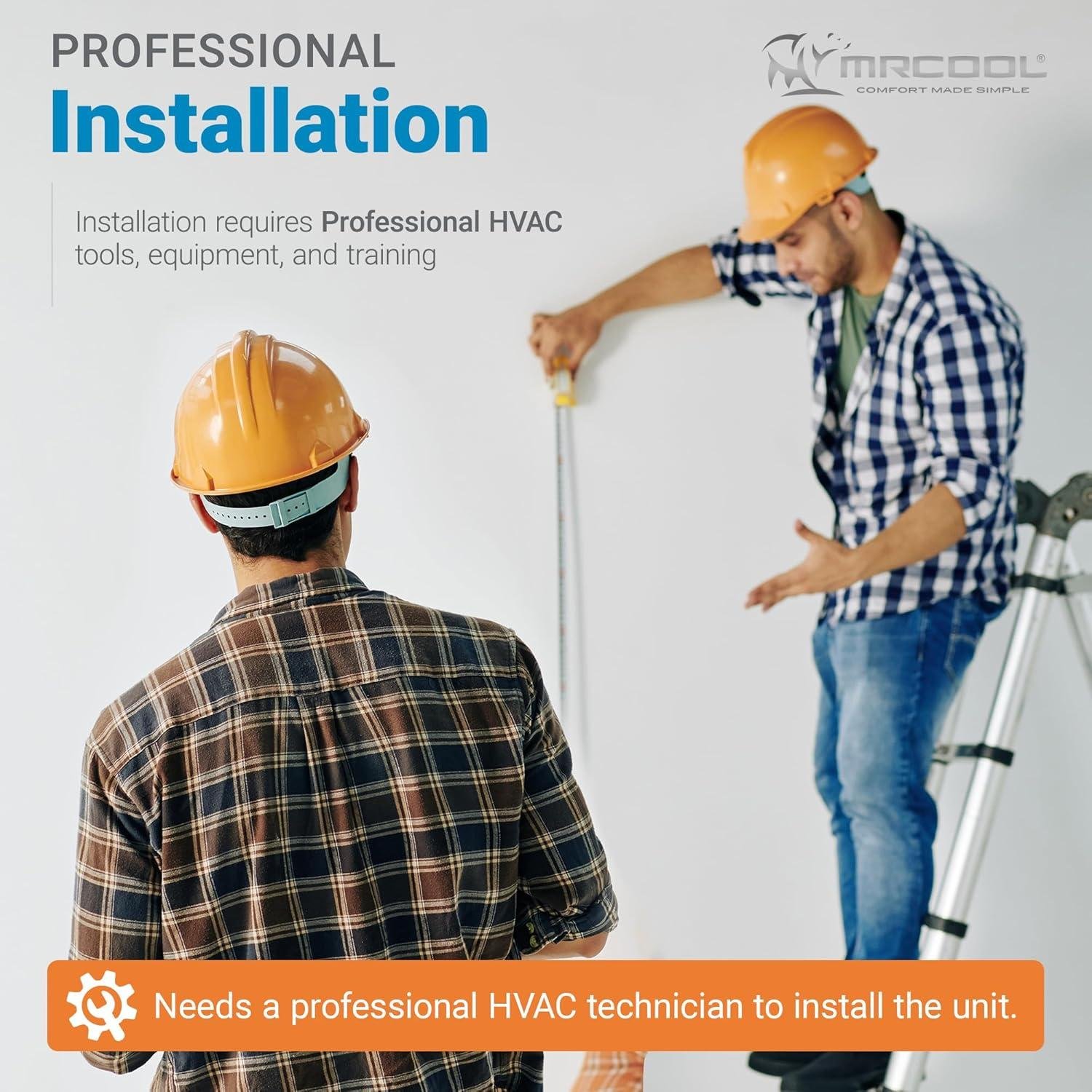
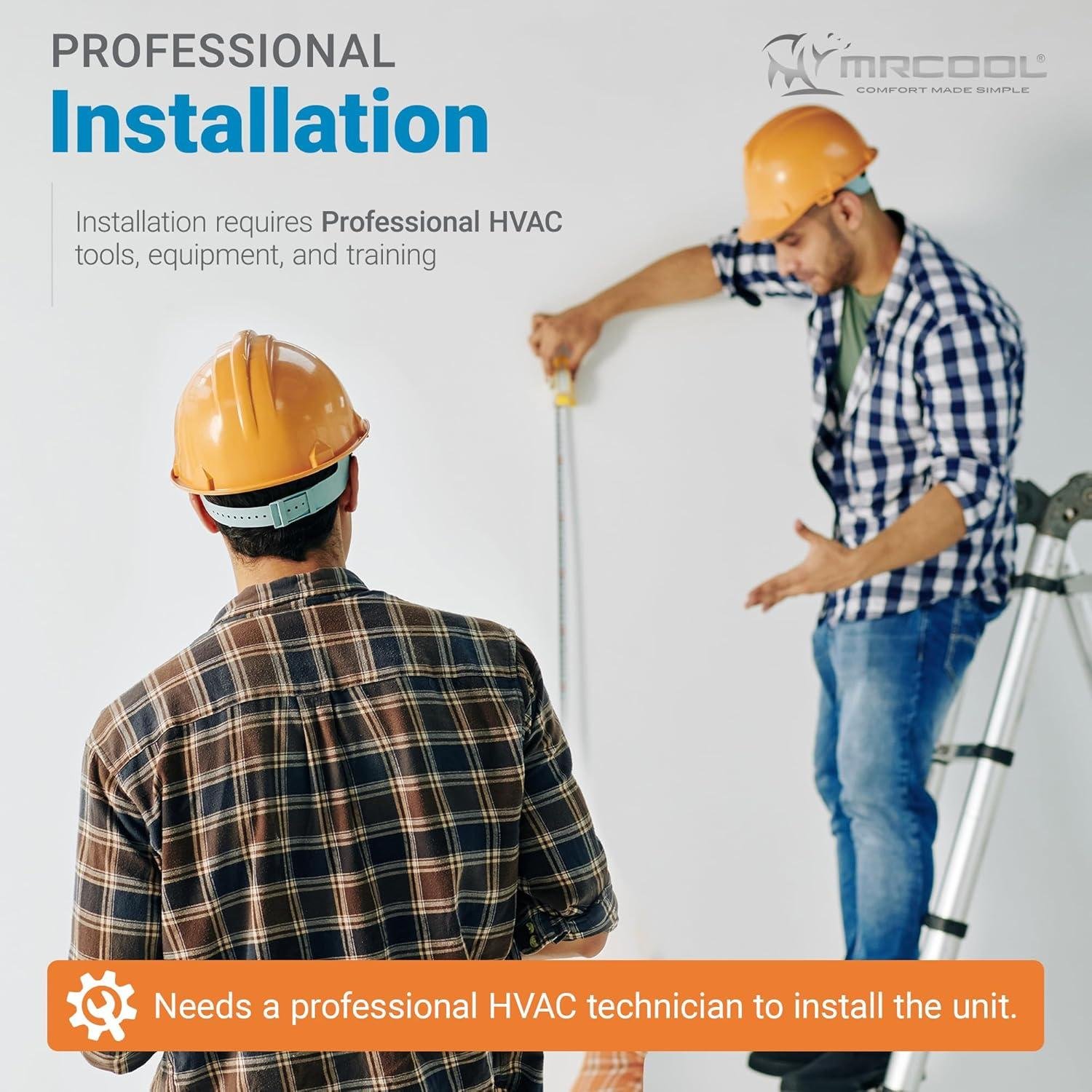
- Professional Installation Required: Unlike some other MRCOOL models, this unit isn’t DIY-friendly. You’ll need to budget $1,000-1,800 for professional HVAC installation, which significantly increases your total investment.
- Initial Investment: The combined cost of the unit and professional installation makes this a substantial upfront expense compared to window units, though the energy savings and comfort benefits provide long-term value.
- Permanent Installation: The system requires drilling through exterior walls and permanent mounting, making it unsuitable for renters or those planning to move soon.
- Electrical Requirements: Depending on your home’s electrical setup, you might need an electrician to install a dedicated circuit, adding to the overall installation cost.
- Outdoor Unit Placement: The compressor requires adequate clearance and proper placement to operate efficiently, which might be challenging for homes with limited exterior wall space or strict HOA regulations.
| ✓ Key Advantages | ⚠ Key Considerations |
|---|---|
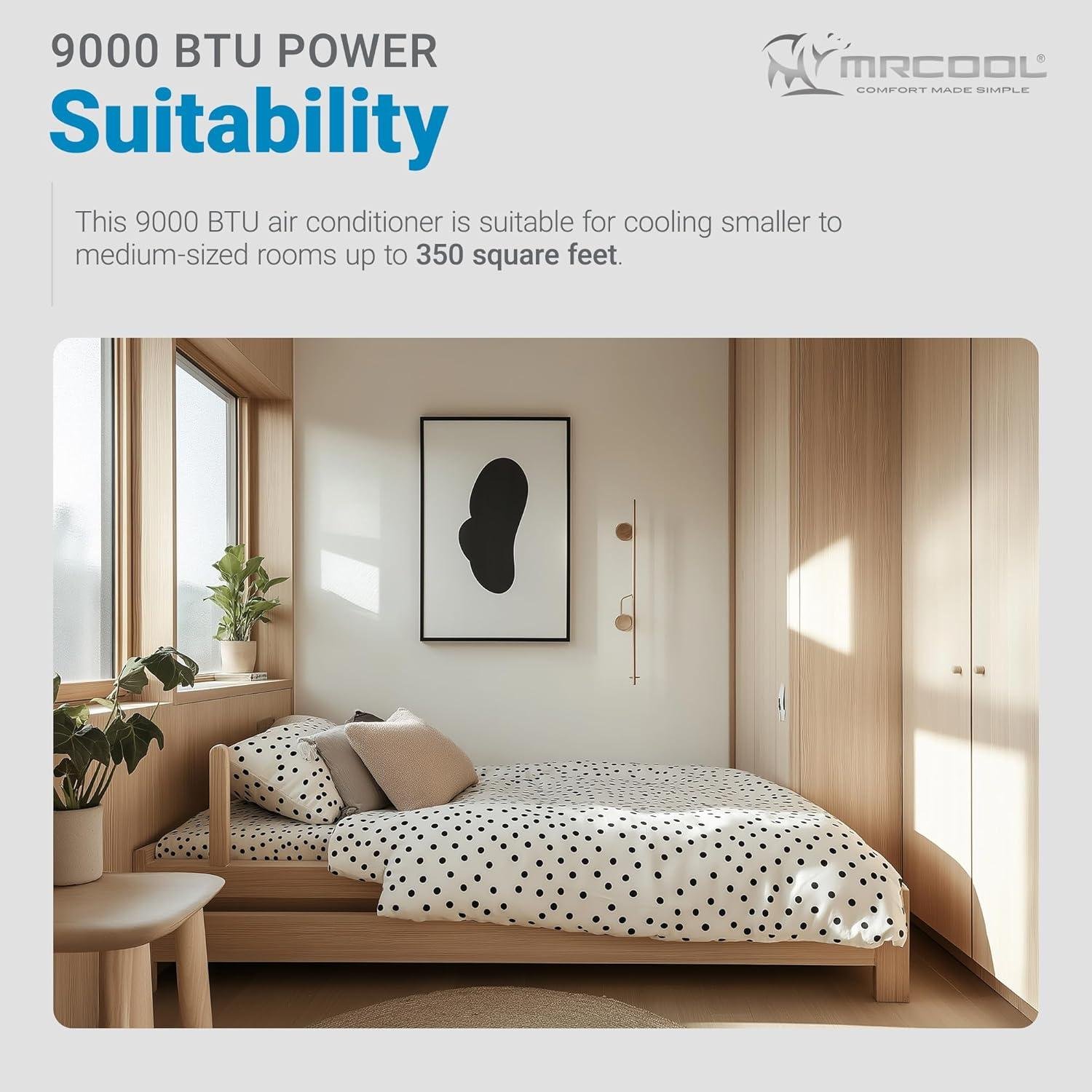
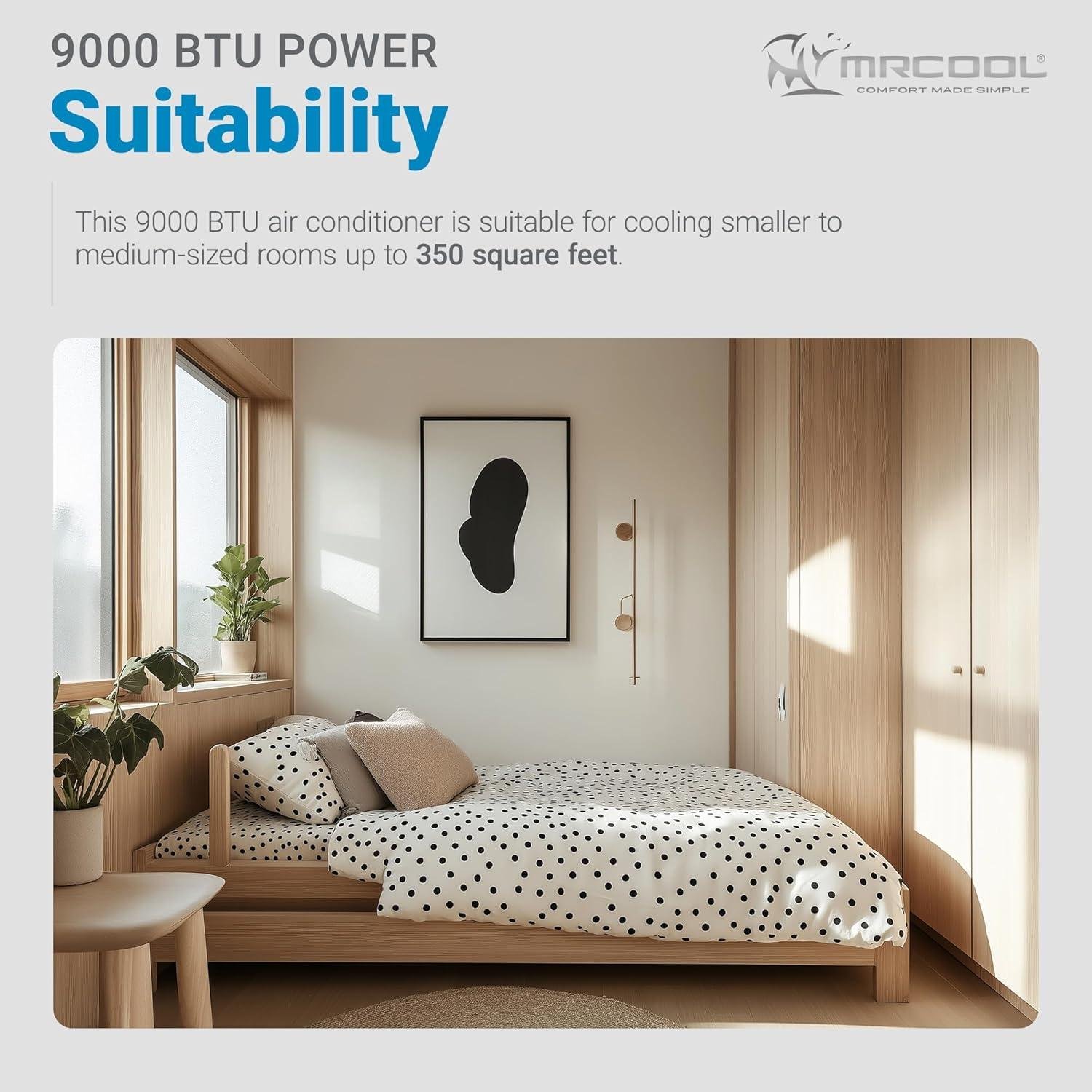
| Powerful 9000 BTU Capacity: Ideal for spaces up to 350 sq ft | Professional Installation: $1,000-1,800 additional cost |
| Year-Round Comfort: Both cooling and heating capabilities | Permanent Fixture: Not suitable for renters |
| Energy Saving: ~25% lower operating costs vs. conventional AC | Electrical Requirements: May need dedicated circuit |
| Whisper-Quiet: ~30dB on normal operation | Space Considerations: Requires adequate exterior wall space |
| Aesthetic Appeal: Sleek design that blends with decor | Return on Investment: 3-5 years to recoup costs |
Q&A
# Common Questions About Mini Split Air Conditioning Systems
What size room will a 12,000 BTU mini split effectively cool and heat?
A 12,000 BTU mini split comfortably handles rooms up to 500-550 square feet. This works perfectly in spaces like a 20×24 bedroom or 15×30 living room with standard 8-foot ceilings. If your room has high ceilings, numerous windows, or significant sun exposure, you should adjust your expectations down to 400-450 square feet for optimal performance.
Can a mini split work effectively in a garage, bedroom, or home office?
Yes, mini splits work excellently in all three applications, though each space has specific considerations. Bedrooms benefit tremendously from the whisper-quiet operation that won’t disturb sleep. Home offices get precise temperature control for all-day comfort while working. Garages require proper insulation first—otherwise, they lose too much heat or cool air for any system to operate efficiently.
Can I really install a mini split myself or do I need a professional?
If you’re comfortable with basic DIY projects, you can install it yourself—though having a helper makes the process much easier. The installation involves mounting indoor and outdoor units, drilling a 3-inch hole through an exterior wall, and connecting pre-charged refrigerant lines. The most challenging aspect is typically electrical: most mini splits require a dedicated 220V circuit that many rooms don’t have, so you might need an electrician for that part while handling the physical installation yourself.
What tools do I need for DIY mini split installation?
You’ll need a power drill with 3-inch hole saw, level, stud finder, screwdrivers, adjustable wrench, tape measure, and a helper. The pre-charged line sets eliminate the need for specialized HVAC tools like vacuum pumps or refrigerant handling equipment—that’s what makes DIY installation feasible. Budget 5-6 hours for your first installation and watch installation videos before starting for visual guidance.
How much does it cost to run a mini split per month?
A typical 12,000 BTU mini split costs approximately $30-60 per month during peak season depending on usage patterns. The exact amount varies based on your local electricity rates, temperature settings, and daily runtime hours. The high efficiency rating (typically 16-22 SEER) means mini splits use significantly less electricity than window units or older central systems, often reducing cooling costs by 30-40% compared to conventional air conditioners.
How loud is a mini split? Can I sleep with it running?
Mini splits are remarkably quiet, typically operating at 25-45 decibels on normal settings—quieter than most refrigerators. The indoor unit produces a gentle white noise that many people find conducive to sleep, even when positioned just 10 feet from a bed. The outdoor compressor unit makes more noise but is installed outside where it rarely disturbs occupants, making mini splits ideal for light sleepers and noise-sensitive environments.
Specifications and application considerations
Most modern mini splits offer smartphone control through dedicated apps, though functionality varies by brand. These apps typically allow you to turn the unit on/off, adjust temperature, change operating modes, and set schedules from anywhere with internet connectivity. Some systems also integrate with smart home ecosystems like Amazon Alexa or Google Home for voice control, adding another layer of convenience to your climate control.
Where should I buy a mini split system and what should I know before purchasing?
Purchase from established HVAC suppliers or major retailers with good return policies and warranty support. Before buying, verify the system is properly sized for your space (consult sizing charts based on square footage and climate zone), check that your home’s electrical system can support the unit, and understand the warranty terms. If planning DIY installation, confirm the model comes with pre-charged line sets and clear installation instructions, or budget for professional installation which typically adds $1,000-$3,000 to your project cost.
Embrace a New Era
# Mini Split Excellence: The Smart Investment for Modern Home Comfort
This system is ideal for homeowners with medium-sized spaces (400-600 sq ft) looking for a permanent, efficient alternative to window units or central HVAC supplements. If you value both comfort and energy savings with minimal maintenance requirements, you’ve found your solution. However, those in temporary living situations should consider the installation commitment before proceeding.
Ready to Transform Your Home Comfort?
Compare models, view customer installation photos, and check today’s deals.
Check Today’s Price & Availability →
✓ Free Prime Shipping • ✓ Easy 30-Day Returns
✓ Thousands of Customer Photos • ✓ Full Manufacturer Warranty