
Welcome, dear reader! Come on in and take a seat in our virtual living room as we unravel the enigma of modern home climate control. Like a pleasant breeze or a warm hug, temperature comfort at home is something we all cherish. No wonder then, the essential question of heating and cooling solutions has waltzed into the spotlight in more than just a few household conversations. Today, let’s explore an undoubtedly curious character that’s been tiptoeing around the edges, the mini-split system. Can it truly step up and take on the heavy-duty task of managing your entire house’s climate scene? Buckle up as we embark on an enlightening journey to demystify this intriguing whodunit.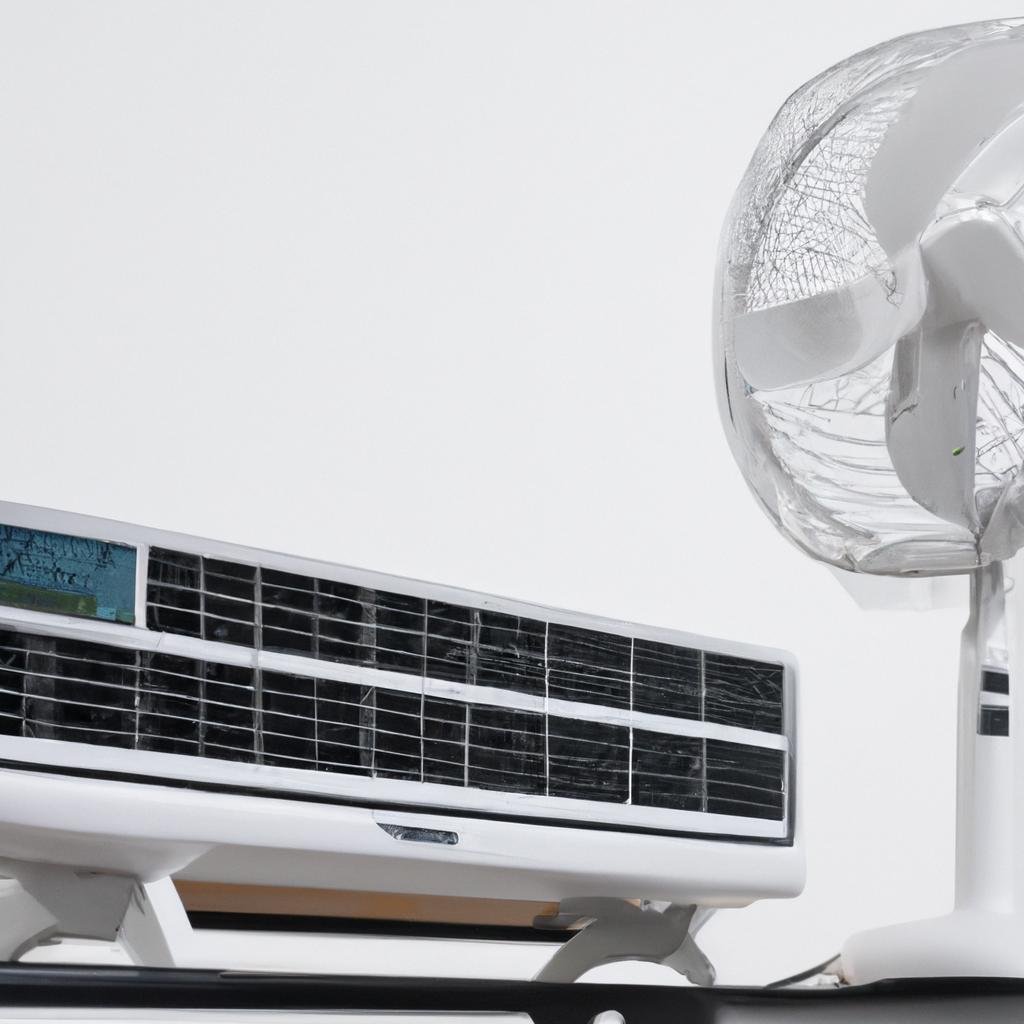
Exploring the Potential of Mini-Split Systems for Whole Home Cooling
Contrary to popular belief, mini-split systems are no longer limited to cooling individual rooms and small spaces. These systems have evolved significantly, and can now cater to entire homes, depending on your specific needs, home design, and conditions. They offer a cost-effective and energy-efficient solution that seamlessly fits into your home, all while performing effectively during the scorching summer months.
One of the key advantages of mini-splits is their modular design. Instead of a single unit that cools the entire home, you can install multiple mini-split systems according to the number of rooms in your house. This translates into the added benefit of individual temperature control for each room. Additionally, mini-splits are famous for being relatively silent operators, maximising your comfort.
- Energy Efficiency: Mini-split systems avoid the energy losses associated with ductwork of central forced air systems. Studies indicate that duct losses can account for more than 30% of energy consumption.
- Easy Installation: They require only a small hole to be drilled into the wall, making them less susceptible to air leakage and security issues.
- Flexibility: Mini-split systems offer more flexibility in interior design options. The indoor air handlers can be suspended from a ceiling, mounted flush into a drop ceiling, or hung on a wall.
| Mini-Split System Components | Description |
|---|---|
| Indoor Units | Delivers cooled air directly to the room. |
| Outdoor Units | Houses the compressor and condenser. |
| Conduit | Links the outdoor and indoor units, consists of power cable, refrigerant tubing, suction tubing, and a condensate drain. |
Whilst a mini-split system might seem like an upfront expense, the long-term benefits, including energy savings and increased lifespan, make it a smart choice for whole home cooling.

How Effective is a Mini-Split for a Whole House? A Deep Dive
In an era where everyone is leaning towards energy efficiency, mini-split systems are increasingly becoming a popular choice for homeowners. The mini-split system, otherwise referred to as a ductless system, offers a flexible option for heating and cooling specific rooms in your house. But the questions most homeowners ask are, Can a mini-split be used for a whole house? How effective will it be?
Suitability of a mini-split system hinges on numerous factors. Clearly, the size of your house is a paramount consideration. Mini-splits are often a go-to solution for smaller homes or spaces where extending or installing distribution ductwork might not be feasible. However, multi-zone mini-splits can be employed even in larger homes, effectively enabling you to regulate the temperature in different rooms independently.
In terms of energy-efficiency, mini-splits do pack a punch. Given they lack ducts, they sidestep the energy losses usually associated with central forced air systems. What’s more, they use inverter technology to generate heated or cooled air only when you need it, thereby conserving energy.
| Pros of Using a Mini-Split System: |
|---|
| 1. High energy efficiency |
| 2. Independent temperature control in different rooms |
| 3. Flexible installation options |
Of course, while mini-splits have their merits, they are not a one-size-fits-all solution. The initial installation cost can be higher compared to traditional HVAC systems. Moreover, they may require more regular maintenance and might not match everyone’s aesthetic tastes.
| Cons of Using a Mini-Split System: |
|---|
| 1. Higher upfront costs |
| 2. Need for regular maintenance |
| 3. May clash with home aesthetics |
As you can see, the effectiveness of a mini-split system depends on your specific requirements and circumstances. Hence, it would be prudent to evaluate your needs and consult with a professional before deciding on the right system for your house.
The Logistics of Using a Mini-Split for Whole House Air Conditioning
Contemplating about using a mini-split system for your entire house air conditioning needs is quite innovative and daring. Let’s brush some lights upon the logistics of this approach. Firstly, let us understand what a mini-split system is. Mini-split systems are ductless cooling and heating systems, which means that they do not require a series of built-in ducts to transport air throughout your house - making them an absolutely perfect choice for cooling down individual rooms in your house. When it comes to using a mini-split for the whole house, the configuration comes into play.
The number of mini split units that you’ll need purely depends on the layout of your house, the insulation provided, number of rooms and the total square footage. A prominent factor while determining the unit number is the good old rule of BTU, typically on an average, for every square foot, you would need 20 BTU. However, this amount may change in the circumstances of less insulation or much hotter climates. In a nutshell, you will need one unit per room for desired temperature in each room. For example, a 2000 sq ft house might require around 3-5 units depending on the above factors.
Now, let’s delve into the distribution of the mini-split system. Multi-zone mini splits are connected to one outdoor unit and each indoor unit would control the temperature of one particular room. It’s smart, efficient, and provides the ultimate level of comfort, allowing each family member to set their room’s temperature to their liking. Moreover, a noteworthy feature of these mini split systems is their energy efficiency. This is particularly due to the fact that there is no loss of coolness or heat through duct system, a significant disadvantage of central air conditioning systems.
Making the Decision: Is a Mini-Split System Right for your Home?
If you’re searching for a way to efficiently heat and cool your entire home, a mini-split system could be the solution for you. These systems provide targeted temperature control in individual areas or “zones” in your house.
Advantages of a Mini-Split System
- Energy-efficient: Mini-split systems avoid energy loss common with forced-air systems. They use less power and are more efficient because they heat or cool only the areas you want.
- Flexible installation: Mini-splits require no ductwork, making the installation process simpler than traditional systems. These systems can be installed anywhere in your home, providing a flexible solution to your heating and cooling needs.
- Improved indoor air quality: Mini-splits come with multi-stage filtration systems that reduce dust, pollen, and other contaminants, which significantly improves indoor air quality.
However, while mini-split systems have numerous benefits, they might not be for everyone. Consider factors like your budget, the size and layout of your home, and your heating and cooling needs before deciding.
Considerations before Installing a Mini-Split System
| Cost: | Mini-split systems can be more expensive initially than other systems. If you’re on a tight budget, this might not be the best option for you. |
| Home layout: | If your home has a lot of open spaces or large rooms, a mini-split system might struggle to heat or cool these areas efficiently. |
| Maintenance: | These systems require regular maintenance to function efficiently. If you’re not up for the task, this might not be the right choice. |
In conclusion, a mini-split system can be an excellent choice for whole-house heating and cooling, provided you consider the associated costs, your home’s layout, and the maintenance tasks involved.
Q&A
Q: If I’m looking for a heating or cooling solution for my whole house, is a mini-split system up to the task?
A: Absolutely! Mini-split systems are quite versatile and can indeed handle the demands of an entire house. However, it’s important to remember that every home is unique, so what works for one may not work for another.
Q: How can one mini-split system heat or cool an entire home?
A: Mini-split systems can be used singularly or you can have multiple units installed in your home. For a whole-house application, you would typically use a multi-zone mini-split system. They have one outdoor unit that’s connected to multiple indoor units, allowing different areas in your house to be heated or cooled independently.
Q: Is there a limit to how many rooms a mini-split can handle?
A: The number of rooms a mini-split can handle largely depends on the type of system you get. Some systems can handle up to five or six indoor units, allowing you to heat or cool multiple rooms simultaneously. As such, for bigger houses, it’s best to consult with a professional to ensure you get the right system for your needs.
Q: How cost-effective is a mini-split system for a whole house?
A: In terms of energy use, mini-split systems are quite efficient. The fact that you can control the temperature in individual rooms means you aren’t paying to heat or cool areas of your home that aren’t in use. While the initial cost can be higher than traditional heating or cooling systems, the potential savings in your energy bill can make it a cost-effective solution in the long run.
Q: Is it complicated to install multiple mini-splits in my home?
A: It can be more complex to install multiple mini-splits compared to a single unit, but it’s by no means an impossible task. Hiring a professional installer ensures that the job is done correctly and efficiently. Remember, a properly installed system will serve you better and longer!
Q: Will using a mini-split for a whole house look unsightly?
A: Not at all! Contemporary mini-split units are designed with aesthetics in mind. They are sleek and blend well with most decor. Additionally, they are installed high on walls or in the ceiling, so they don’t interfere with your living space or your home’s design.
Q: Are there any other benefits to using a mini-split for a whole house?
A: Absolutely! In addition to heating and cooling, mini-splits often have built-in air filtration systems that help to improve indoor air quality. Plus, because they operate so quietly, you’ll hardly notice they’re there except for the wonderful job of temperature control they offer!
To Wrap It Up
And so, we journey back from the land of home temperature control, a land filled with options and possibilities, bringing with us the pearls of wisdom about mini-splits. They stand before us, not as only a mere remedy to cool down or heat up isolated spots but as powerful climate controlling soldiers that could provide comfort to a whole house. The flexibility, energy efficiency, ease of installation and individual room temperature control make them a worthy character in the narrative of your home. Be it a small abode or a sprawling mansion, they can be a game-changer in your comfort living. It’s clear the mini-split isn’t just thinking small; it has ambitions that rival its full-size counterparts. So, the next time you find yourself looking for a heating and cooling solution, remember, the mini-split might just be the unsung hero your home is calling for. But as with any hero, it’s important they fit the scene - so do consider the specifics of your house and your needs. There’s a whole world of home comfort out there, and the mini-split is ready to play its part.