Specifications and application considerations
Unboxing Experience and Initial Setup: What to Expect on Day One
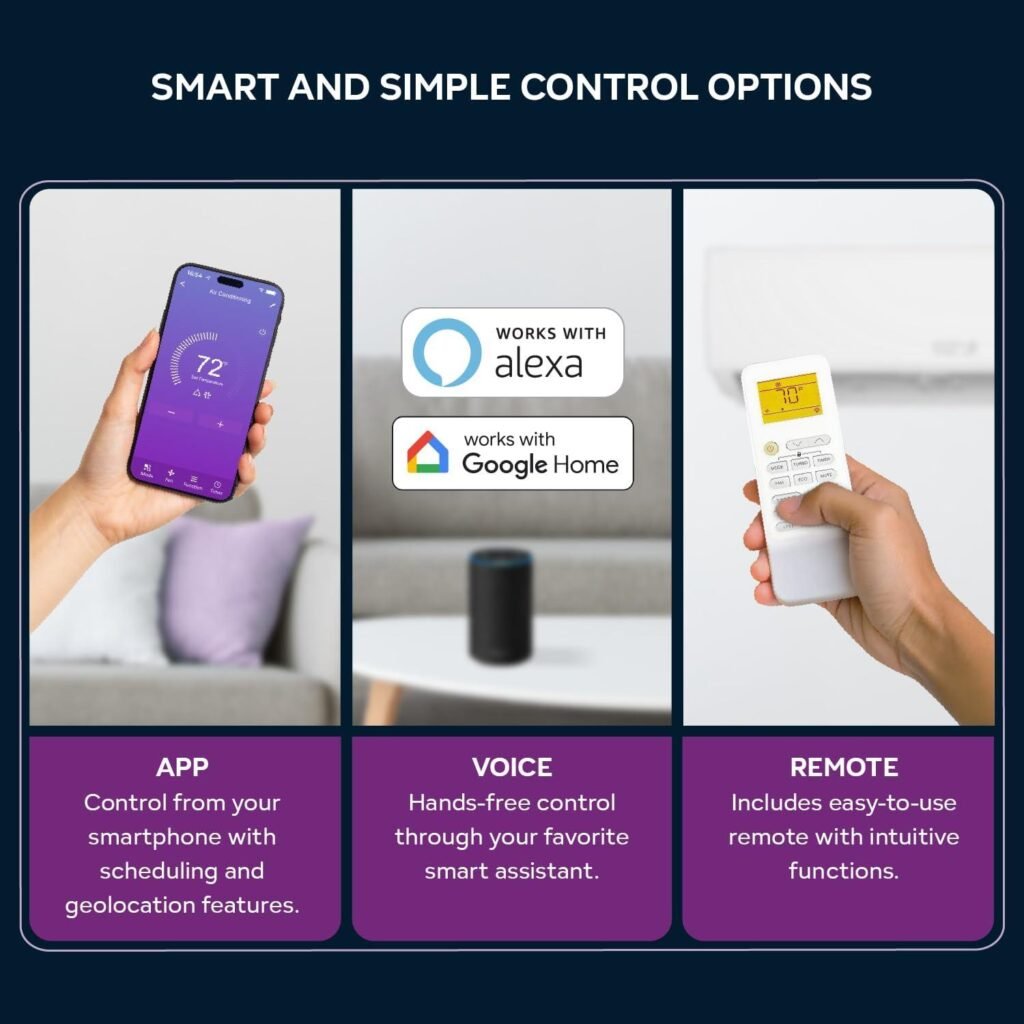
- Remote control pairing and button functions
- Basic mode selection (cooling, heating, auto, fan-only)
- Temperature adjustment ranges
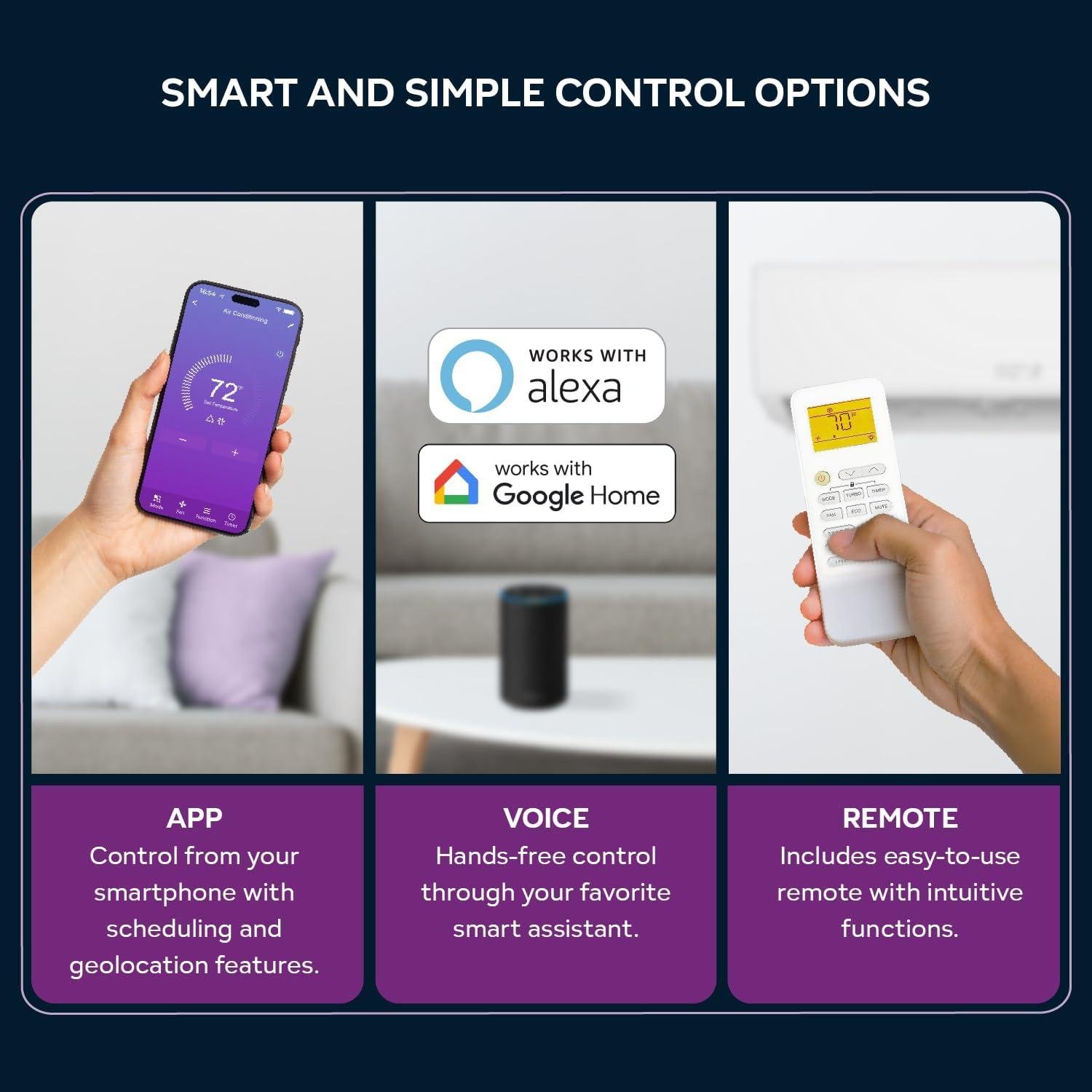
- Wi-Fi connection setup for smartphone control
- Filter installation and preliminary maintenance requirements
The manual included clear diagrams for each step, making the process intuitive even for first-time mini-split owners.
Real-World Cooling Performance: Temperature Testing in Different Room Sizes
Energy Bills Revealed: Monthly Operating Costs and Efficiency Impact
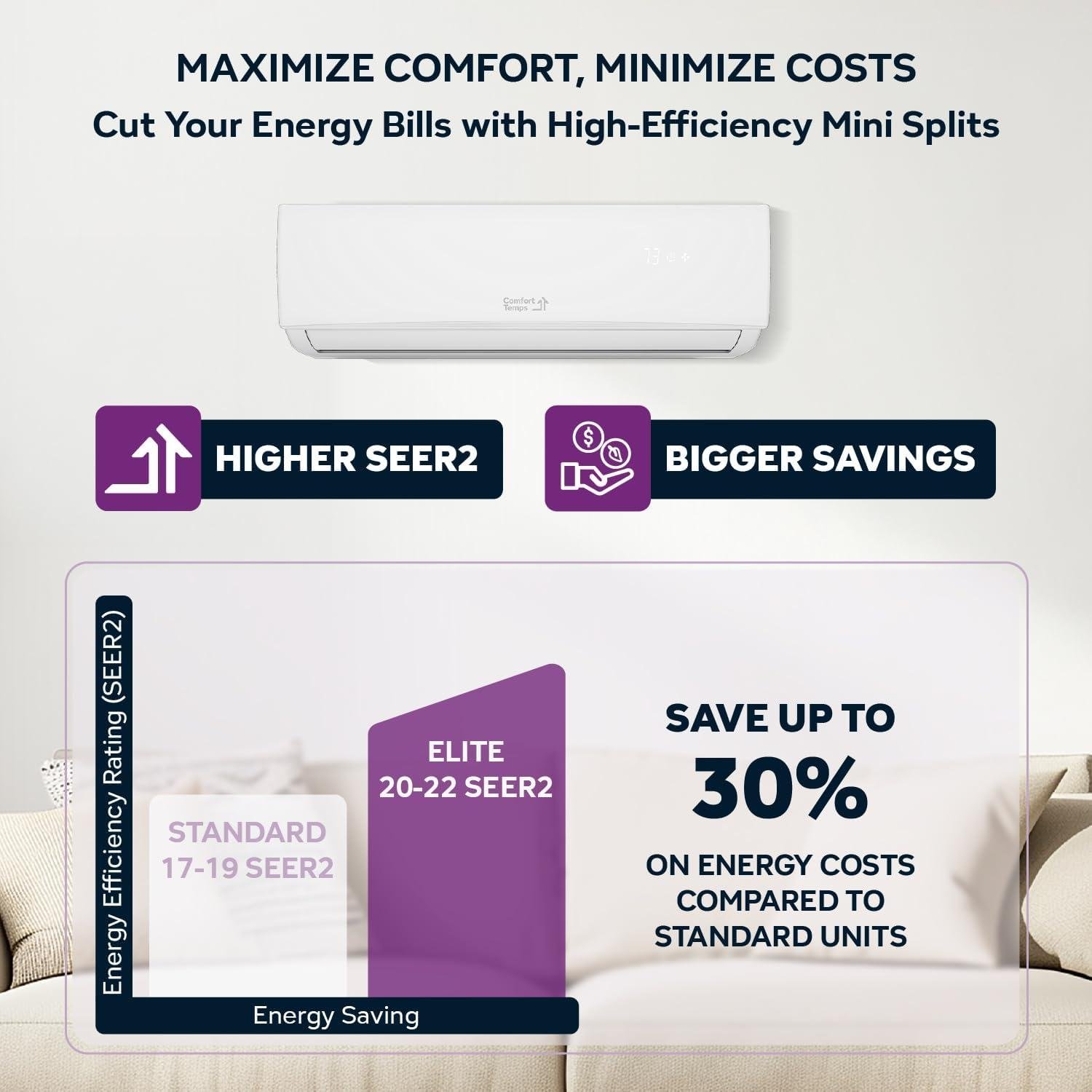
Several efficiency factors impact these monthly costs:
- Maintenance – Clean filters made a measurable 5-8% difference in monthly energy consumption
Noise Level Assessment: Can You Sleep, Work, and Live Comfortably?
Practical Maintenance Requirements: What Regular Care Actually Involves
Beyond filter maintenance, these systems benefit from seasonal attention that any homeowner can handle:
- Indoor unit care: Wipe down the exterior housing and fan blades quarterly using a soft cloth (dusty components can reduce efficiency by up to 15%)
- Outdoor unit check: Clear debris (leaves, twigs, grass clippings) from around the condensing unit monthly
- Coil cleaning: Use a soft brush attachment on your vacuum to clean the indoor evaporator coils once per season
- Condensate drain test: Pour a cup of water into the drain pan during spring maintenance to ensure proper drainage
Smart Home Integration: App Control Experience and Compatibility
- Google Assistant/Amazon Alexa – Voice commands like “Hey Google, set bedroom to 72 degrees” work flawlessly
- IFTTT integration – Created automated routines that adjust temperature based on local weather forecasts
- Smart sensors – Connected motion and door sensors to automatically switch to eco mode when no one’s home
Best Applications and Room Sizes: Where This System Truly Shines
Value Analysis: Is This Investment Worth It for Your Specific Home?
- Room orientation and sun exposure – south/west facing rooms benefit most
- Existing ductwork condition – older, leaky ducts make mini splits more valuable
- Local energy rates – higher electricity costs accelerate payback
- Planned length of home ownership – staying 5+ years maximizes ROI
- Local climate severity – extreme temperature regions see greater benefit
Customer Reviews Analysis
Customer Reviews Analysis
What Real Homeowners Are Saying
Common Praise Themes
- Performance Excellence: Multiple customers specifically mention that the unit “works great” with effective cooling capabilities, making it ideal for spaces like specialized rooms or additions.
- Whisper-Quiet Operation: Several reviewers highlight the quiet performance, with multiple mentions of how pleasantly unobtrusive the system runs during operation.
- Heating and Cooling Efficiency: Dual-functionality receives praise, with one reviewer specifically noting it “heats and cools great,” suggesting solid year-round performance.
- Brand Reliability: Even customers who “took a chance” on this brand report being satisfied with their decision, indicating good value for the investment.
Installation Considerations
Installation experiences vary significantly among purchasers. While some describe it as “simple” or “not hard,” others highlight the need for professional assistance with specific components:
Standout Review
Recurring Concerns
- Installation Complexity: Several reviewers note this is best for “advanced DIY” enthusiasts or requires professional help for certain aspects, adding to the total investment.
- Occasional Shipping Issues: One customer mentioned receiving a dented unit, suggesting some quality control or shipping protection concerns.
- Pest Protection Needed: An interesting insight from one installer warned about mice potentially damaging the units, suggesting protective measures like mesh sleeves.
Who’s Buying and Loving This System
The Elite Series appears particularly popular among homeowners with specialized spaces (like the mentioned “pickleball barn”) or those needing efficient climate control in specific rooms. Many successful purchasers appear comfortable with partial DIY installation while recognizing when professional help is warranted for optimal setup and performance.
Pros & Cons
Specifications and application considerations
Specifications and application considerations
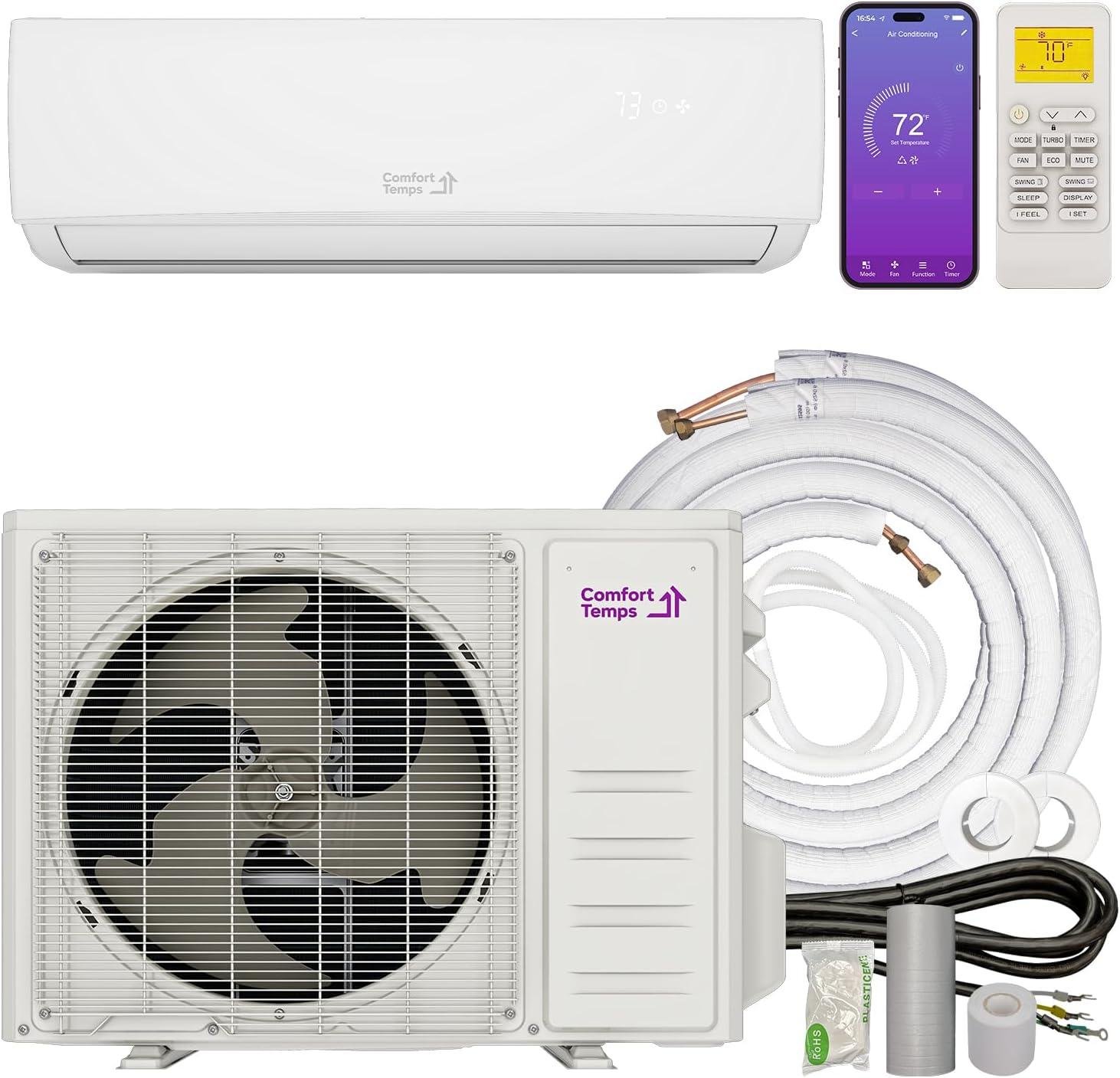
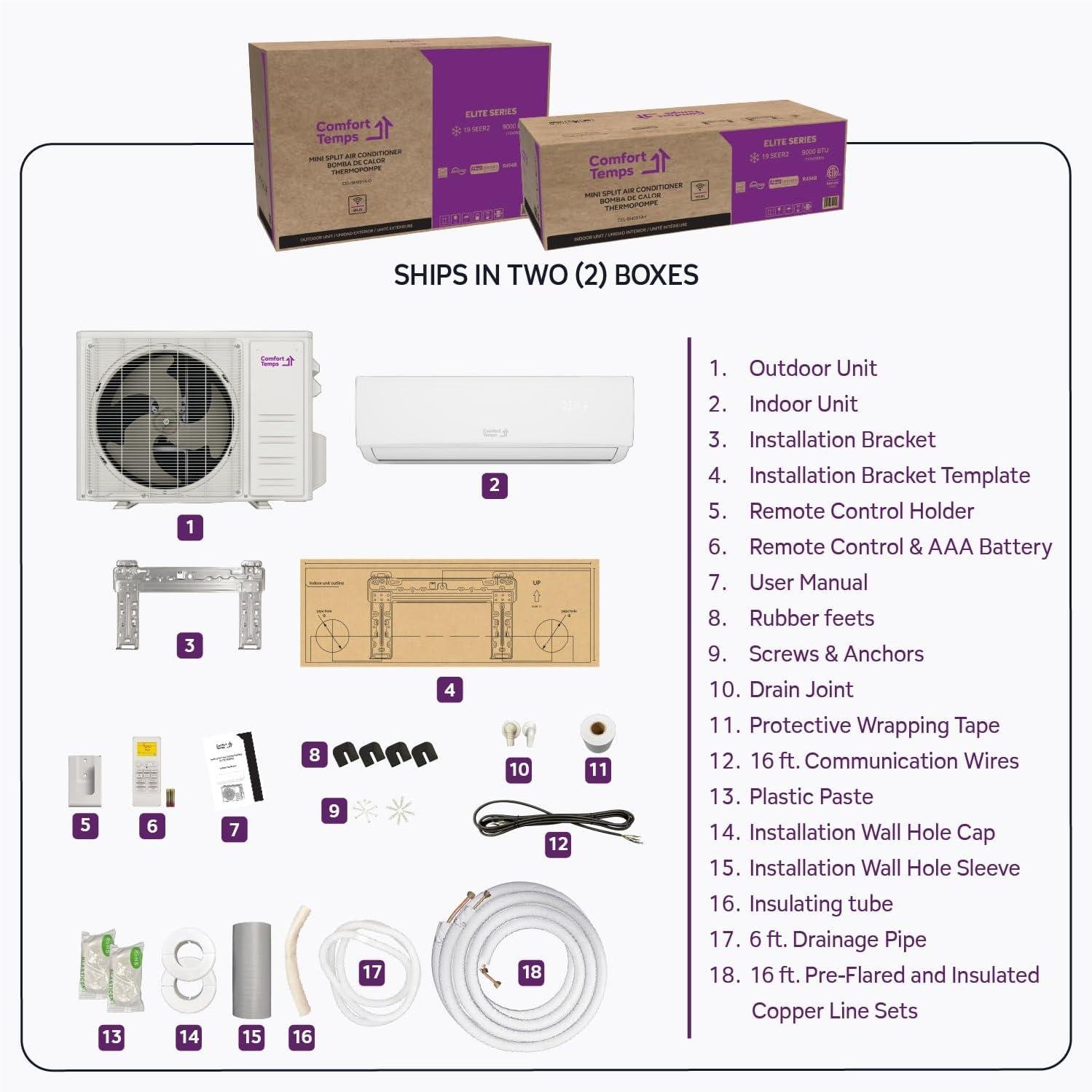
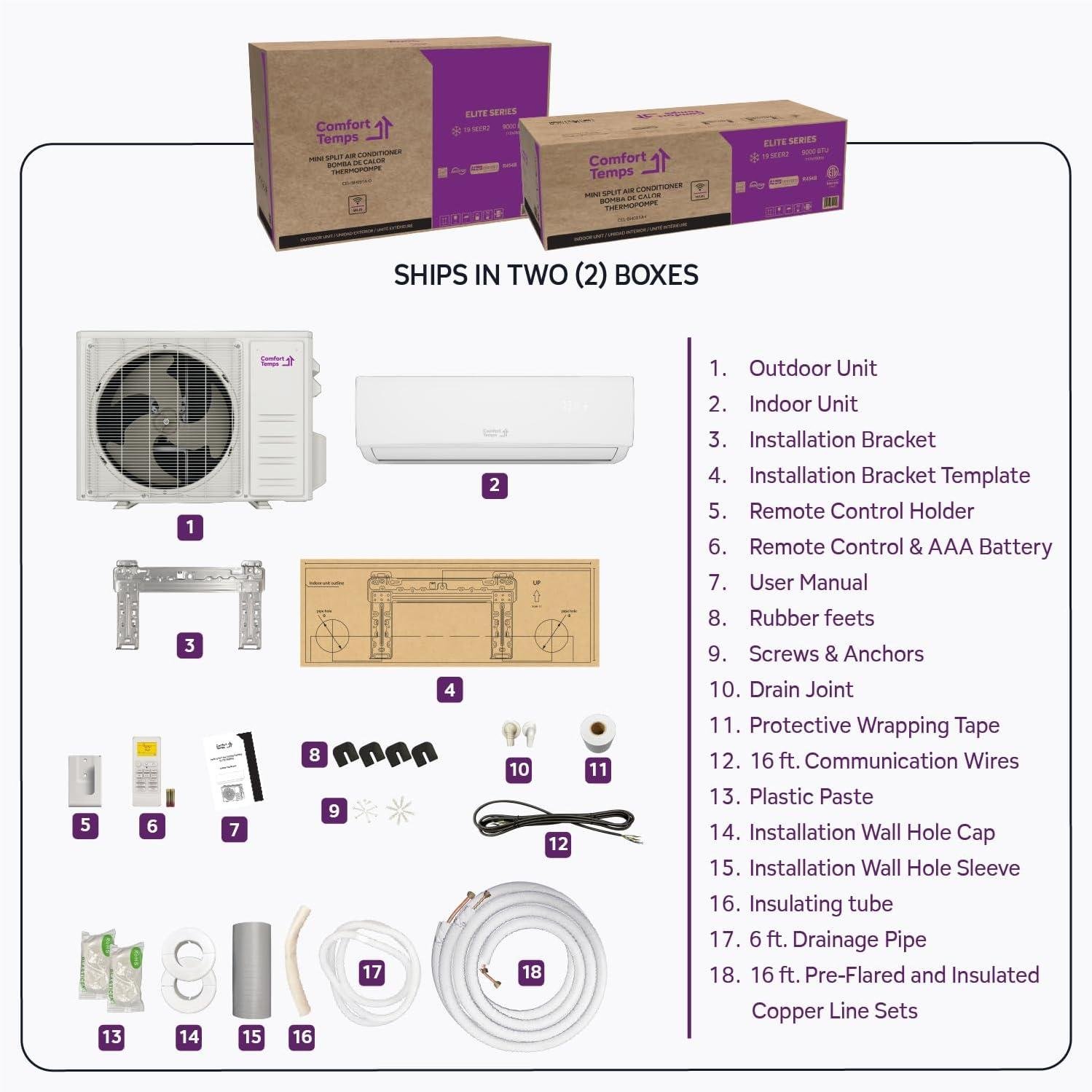
- Comprehensive Installation Kit: Everything needed came in the box—16.4ft copper lines, pre-charged refrigerant, drain hose, wiring, and wall sleeve. This saved us approximately $200-300 on additional components.
⚠ Things to Consider
- Significant Initial Investment: At roughly $1,800-2,200, this system costs substantially more than window units or portable ACs. However, the energy savings mean it can pay for itself within 3-4 years while providing superior comfort and home value improvement.
- App Learning Curve: The WiFi app offers extensive functionality but took us about a week to master all features and automation options. The included manual could be more comprehensive for tech setup.
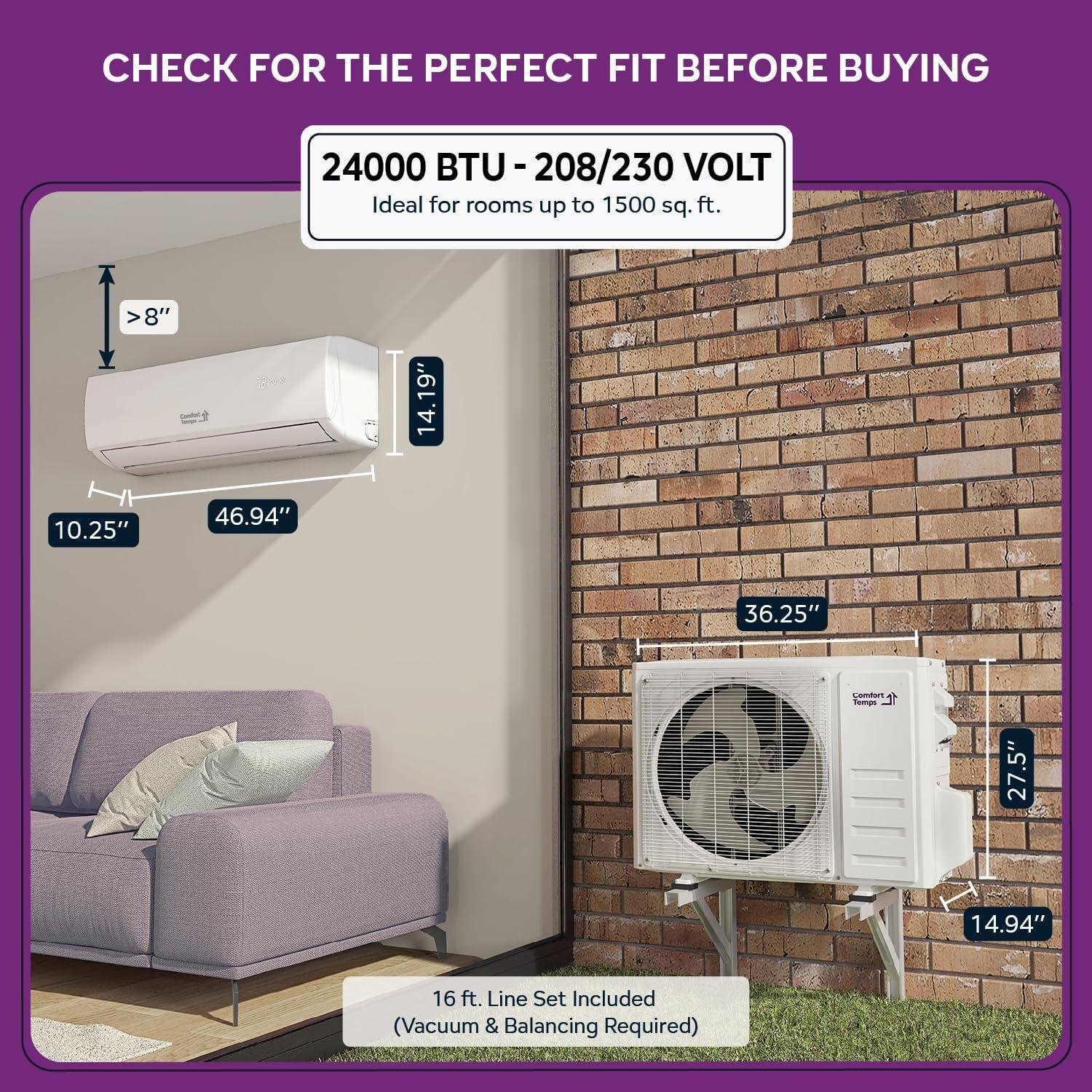
- Indoor Unit Aesthetics: While not unattractive, the indoor air handler is more visually prominent than traditional vents. At 42.4 inches wide, it requires sufficient wall space and becomes a notable feature of the room.
Q&A
# Frequently Asked Questions About Mini Split Air Conditioning Systems
## Sizing & Application
Specifications and application considerations
As a general rule, you need about 20 BTU per square foot of living space. For example, a 12,000 BTU unit (1 ton) typically covers 450-600 square feet, while a 24,000 BTU system handles spaces up to 1,200 square feet. Consider factors like ceiling height, insulation quality, window exposure, and local climate when sizing—poorly insulated spaces or rooms with high sun exposure may require 30% more capacity. Matching your system precisely to your space ensures optimal efficiency and comfort.
Specifications and application considerations
Yes, mini splits can effectively heat and cool virtually any room in your home, including unusual spaces. They’re ideal for bedroom comfort with their quiet operation, perfect for home offices where temperature consistency matters, excellent for finished basements that traditional ducting can’t reach, and even suitable for garages if properly insulated. The flexible installation options—wall-mounted, ceiling cassette, or floor-mounted units—let you optimize placement based on your specific room layout and aesthetic preferences.
## Installation
Can I install a mini split myself or do I need a professional?
While DIY installation is possible with pre-charged “DIY-friendly” models, professional installation is recommended for most systems. DIY-friendly models come with pre-charged refrigerant lines and simplified connections that eliminate the need for specialized HVAC tools. However, you’ll still need comfort with drilling through exterior walls, secure mounting, and basic electrical work. Professional installation typically costs $1,000-2,500 depending on system complexity but includes proper sizing, optimal placement, warranty protection, and the peace of mind that comes with expert installation.
What’s involved in a mini split installation?
Installation requires mounting indoor and outdoor units, connecting them with refrigerant lines through a 3-inch wall hole, and connecting to appropriate electrical supply. The indoor unit is typically mounted high on a wall with clearance for proper airflow, while the outdoor unit needs a stable base on level ground. Refrigerant lines, condensate drain, and communication wiring run through a single hole between units. Electrical requirements vary by system size, but most require dedicated 220V circuits, which might necessitate electrical panel upgrades in older homes.
How far can the indoor and outdoor units be placed from each other?
Most standard mini split systems allow a maximum separation of 50 feet between indoor and outdoor units. Some premium models extend this to 100 feet, providing greater installation flexibility. Vertical separation is typically limited to 15-25 feet difference in height between units. Keeping the units closer together when possible improves system efficiency, reduces installation costs, and minimizes the chance of refrigerant leaks or pressure losses.
## Operating Costs
How much does a mini split cost to run monthly?
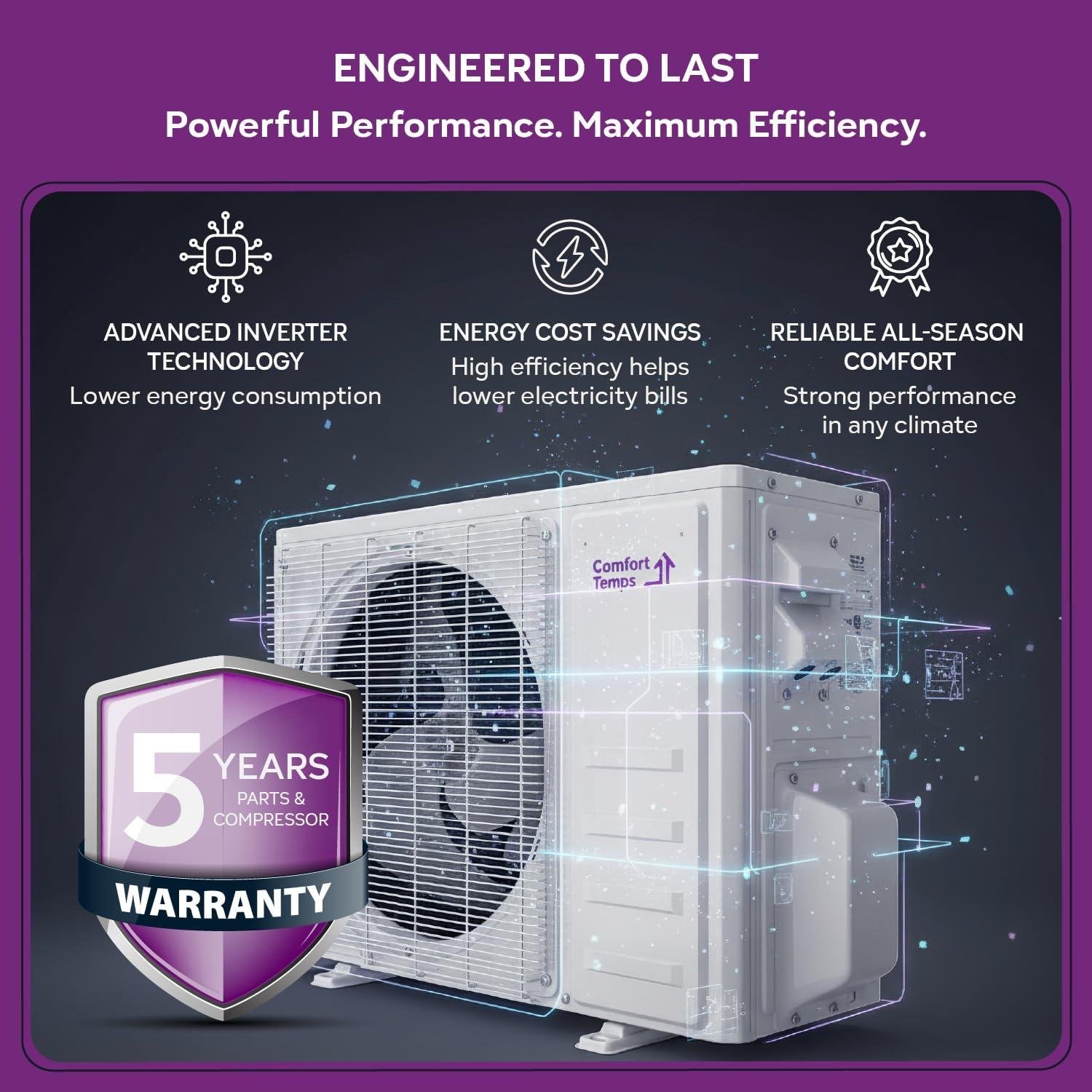
A typical 12,000 BTU mini split costs $15-40 per month in electricity depending on usage patterns and local rates. Mini splits are extremely efficient, with SEER ratings from 16-27 compared to traditional AC’s 13-16 rating. The inverter technology allows them to run at variable speeds rather than cycling on and off, reducing energy consumption by 30-40% compared to conventional air conditioners. For heating, they remain 2-3 times more efficient than resistance electric heat, making them economical year-round.
## Performance & Comfort
How quiet are mini split systems compared to window units?
Mini splits operate at 24-43 decibels indoors, making them significantly quieter than window units that typically produce 50-70 decibels. At their lowest fan speeds, mini splits create a gentle white noise comparable to a soft whisper. Even at higher speeds, they remain quieter than a refrigerator. The outdoor compressor units generate 45-60 decibels but can be positioned away from bedrooms and living areas to minimize noise impact.
## Purchase Decision
What should I prioritize when choosing a mini split system?
Focus on proper sizing, energy efficiency ratings, and reputation of the brand when selecting your system. Always start with an accurate BTU calculation based on your space requirements to avoid inefficient operation. Look for high SEER ratings (20+) and HSPF ratings (10+) if you live in colder climates where heating will be important. Established brands like Mitsubishi, Daikin, Fujitsu, and LG typically offer better reliability and parts availability, even if they cost 10-15% more than lesser-known alternatives. Finally, consider warranty terms carefully—the best systems offer 7-12 year coverage on both parts and compressors.
Experience Innovation
# Conclusive Verdict: Mini Split Heat Pumps Are Game-Changers for Home Comfort
Mini split systems are ideal for homeowners looking to upgrade from window units or supplement inefficient central systems in specific rooms. They’re especially valuable for those with older homes lacking ductwork, sunrooms with temperature fluctuations, or home offices requiring year-round comfort. Renters or those planning to move within a year should consider portable options instead due to the permanent installation.
With energy prices continuing to rise, investing in a mini split now can provide years of comfort while protecting against increasing utility costs.
Ready to Transform Your Home Comfort?
Compare models, view customer installation photos, and check today’s deals.
Compare Models & Current Deals →
✓ Free Prime Shipping • ✓ Easy 30-Day Returns
✓ Thousands of Customer Photos • ✓ Full Manufacturer Warranty