
Welcome, dear reader! Imagine, for a moment, a summer afternoon, the sun at its scorching peak transforming your surroundings into an enormous sauna. If you’re tucked away in a compact studio apartment or a cozy little office, relief from the heat might be instantly available. But what if your abode is more capacious? Fear not, for the unsung hero of temperature regulation – the mini-split – is here to come to your rescue. So, let’s dive into the depths of this article and explore exactly how large a room our palm-sized titan, the mini split, can comfortably cool. Ready for the chills?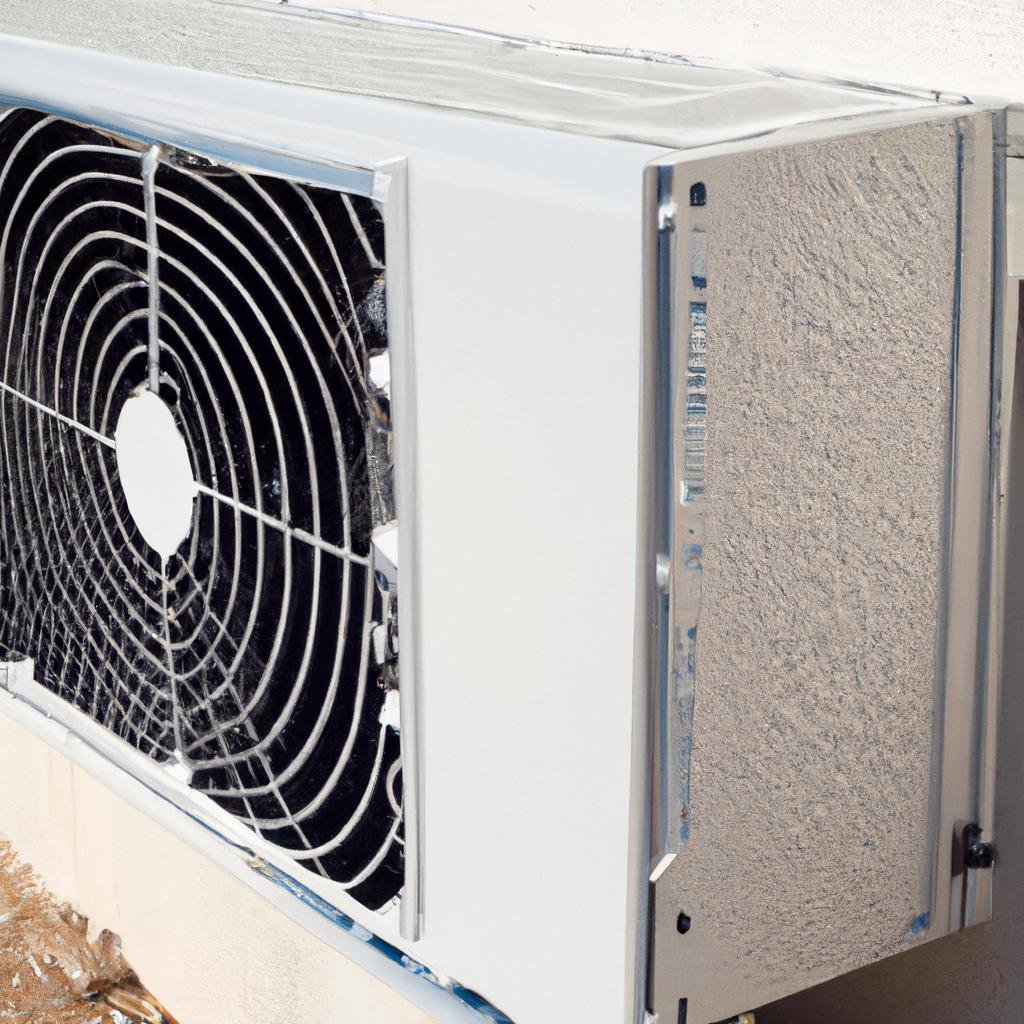
Understanding the Power of a Mini Split: How Big Can it Go?
The mini split, often underestimated for its compact size, truly packs a powerful punch when it comes to cooling capacity. You might be surprised to find out that a mini split can efficiently cool a room size of up to 650 sq. ft. That’s sizeable enough to cover a comfortable living room or a spacious master bedroom. Equipped with variable-speed compressors and fans, mini splits offer adaptable cooling power and better efficiency compared to traditional air conditioners.
| Mini Split BTU Ratings | Approximate Room Size Coverage |
|---|---|
| 9,000 BTU | 250 to 350 sq. ft. |
| 12,000 BTU | 350 to 500 sq. ft. |
| 18,000 BTU | 500 to 650 sq. ft. |
How does a mini split achieve such impressive results, you ask? Well, the secret lies in the design and technology it employs. While the indoor unit pumps out cool, conditioned air into the room, the outdoor unit effectively removes heat from the house. Furthermore, mini splits are ductless, which eliminates energy losses associated with central, ducted systems. All these factors make a mini split not just a versatile, but also an energy-efficient cooling option.
One tip to remember is that when buying a mini split, make sure to consider the size of the room you want to cool down. Overlooking to match the capacity of your mini split with the room size could lead to inefficiencies. BTU (British Thermal Units) ratings offer a reliable measure of an air conditioner’s cooling power and should be consulted before purchasing your mini split.
Here are a few things you need to bear in mind when sizing a mini split:
- Every space is different so make sure to measure the room’s dimensions thoroughly.
- Check for elements that might impact your cooling needs such as windows, doors, and insulation.
- Remember that bigger is not always better as an oversized unit can lead to short cycling, causing unnecessary stress on your system.
Nitty Gritties: Evaluating Room Size and Conditioning Needs for the Perfect Mini Split
When it comes to air conditioning, oftentimes one size does not fit all. Your mini split air conditioner needs to have the right capacity to efficiently cool a room. The critical factors to consider include the size of the room, insulation, sun exposure, and the number of people and electronic devices in the room. When evaluating room size, professionals usually consider BTU (British Thermal Units) to determine the cooling needs.
| Area (sq ft) | BTUs needed |
| Up to 150 | 5,000 |
| 150-250 | 6,000 |
| 250-300 | 7,000 |
| 300-350 | 8,000 |
| 350-400 | 9,000 |
| 400-450 | 10,000 |
| 450-500 | 12,000 |
Assessment of your room size against the above table can help you decide on the capacity that will suit your needs. However, other factors can significantly affect the mini split’s performance. For instance, sun exposure can make your room hotter thus requiring more cooling. Therefore, south-facing rooms may need 10-20% more BTUs while a shaded room will need 10% less. Similarly, rooms with more people and electronics may require higher BTUs. It’s also worth noting that a room with poor insulation will need 30% more BTUs. Accommodating these variables might sound complicated, but with proper calculation, it’s manageable and will ensure you get the best out of your mini split.
When Mini is Mighty: A Detailed Look at the Cooling Capabilities of Mini Splits
Without a doubt, mini splits are a game-changing innovation in the cooling industry, perfectly balancing size, cost and cooling efficiency. However, one pertinent question often jumps to mind: ‘How large a room can a mini split effectively cool?’ The reply to this query involves a variety of factors, chief among them being the BTU (British Thermal Unit) rating of the mini split, the insulation quality of the room, local climate, ceiling height, and the number of heat sources within the room.
Generally, the rule of thumb states that a room of 150 to 350 square feet can be effectively cooled by a 5,000 to 8,000 BTU mini split. Larger spaces of 350 to 550 square feet would require a unit rated 8,000 to 12,000 BTUs. Have a glance at this table for a quick understanding:
| Room Size (Square Feet) | BTU Rating Required |
|---|---|
| 150-350 | 5,000-8,000 |
| 350-550 | 8,000-12,000 |
However, it’s a nuanced situation. Local climate heavily influences the overall cooling requirements. For instance, if the room’s location has high humidity or if it receives a lot of sunlight, you may need a slightly stronger mini split. Similarly, the number of heat-generating appliances in the room, such as computers, ovens, or large entertainment systems, can also dictate the size of the mini split you’ll need.
Moreover, ceiling height plays a part too; with higher ceilings necessitating a more potent cooling solution. Lastly, the quality of room insulation is critical as poorly insulated rooms leak cool air, leading to inefficient performance. This means that for a poorly insulated room, even a high BTU mini split may struggle to maintain the desired temperature. In conclusion, gauging the room size is the starting point, but you must also take stock of these other factors to choose the right mini split for your cooling needs.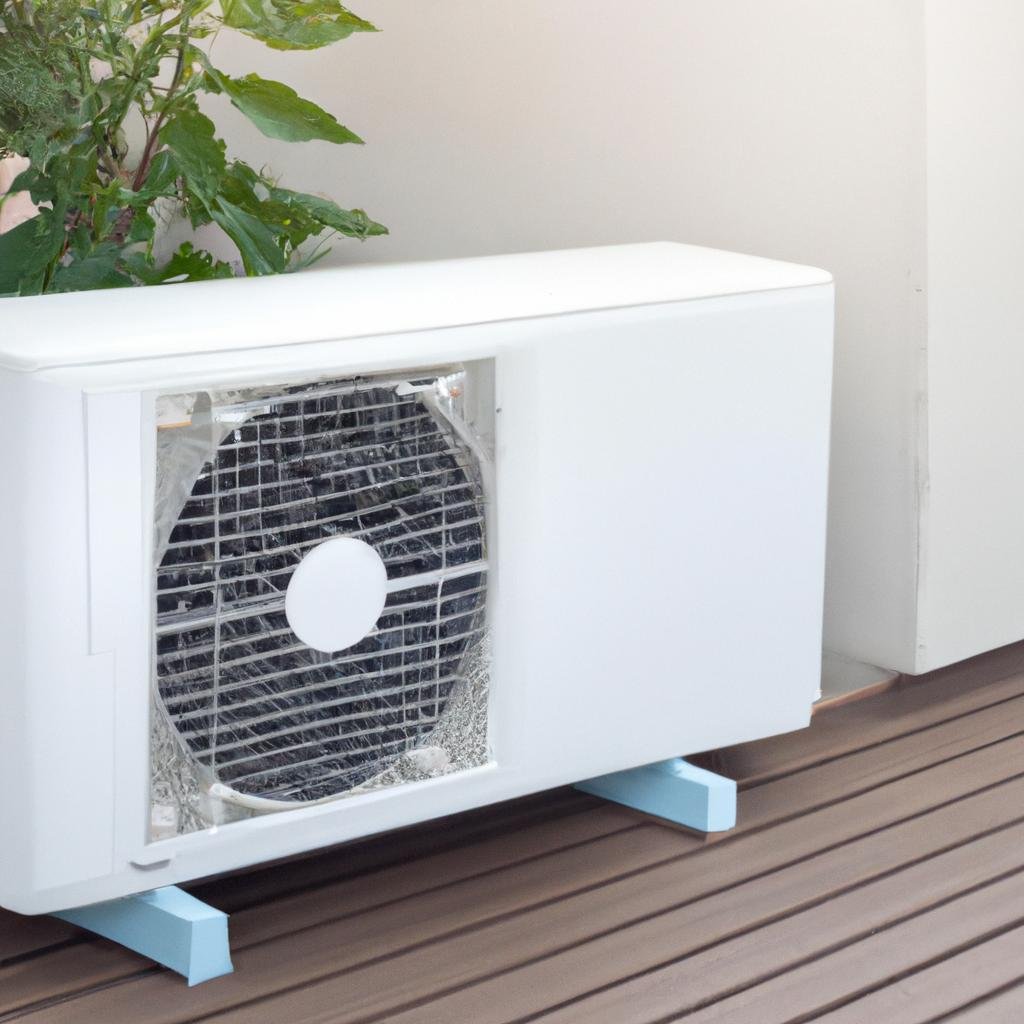
The Right Mini Split for YourSpace: Tailored Recommendations for Optimum Cooling
When it comes to mini split air conditioning units, there’s a wide range of options available in the market - each designed to cool a specific size of a room. Essentially, the size of the room is directly proportional to the power and capacity of the mini split you’ll need. For example, to optimally cool a small room of up to 150 square feet, a unit with 5,000 BTU (British Thermal Units) is sufficient. Larger rooms, say 450-550 square feet, will require a unit with 12,000 BTU capacity. The largest mini splits can cool spaces of up to 1,600 square feet, needing a hefty 24,000 BTU. However, it’s vital to remember that these are only estimates – numerous factors may impact the cooling capacity required.
Here’s a handy table outlining average room sizes and their respective BTU needs:
| Room Size (sq.ft) | Mini Split BTU |
|---|---|
| up to 150 | 5,000 |
| 150-250 | 6,000 |
| 250-300 | 7,000 |
| 300-350 | 8,000 |
| 350-400 | 9,000 |
| 400-450 | 10,000 |
| 450-550 | 12,000 |
| 550-700 | 14,000 |
| 700-1,000 | 18,000 |
| 1,000-1,600 | 24,000 |
Moreover, the number of people in the room, direct sunlight, appliances and the number of windows should not be overlooked. A room loaded with people will need more cooling, as will a room receiving direct sunlight most of the day. Similarly, rooms housing electronic appliances also tend to heat up quicker and would require a higher BTU. It’s always better to consider these factors when choosing the right mini split system for your space.
Q&A
Q: Let’s start with the basics. What is a mini split?
A: A mini split, also known as a ductless mini split, is a type of air-conditioning system that splits the hot side from the cold side of the system. Unlike traditional air conditioning, it doesn’t need ducts to circulate air, hence the ”ductless” distinction.
Q: I’m interested. How does a mini split system work?
A: Simply put, a mini split works similar to a regular air conditioner but without the ductwork. It consists of an indoor unit, which is installed in the room you want to cool, and an outdoor compressor. The two units are connected by piping, carrying cooled refrigerant to create a comfortable atmosphere inside.
Q: Sounds great! Now to the real question, how large a room can a mini split cool?
A: That largely depends on the unit’s BTU (British Thermal Unit) rating. Typically, a mini split system with a rating of 12,000 BTU can cool a room of up to 650 square feet. But remember, factors like ceiling height, insulation, and region’s climate can impact the cooling efficiency.
Q: So, are mini splits more suitable for smaller spaces then?
A: Not necessarily. While they are great at cooling individual rooms or smaller spaces, several mini split units can be used together to cool larger spaces or multiple rooms. It’s all about figuring out the right configuration.
Q: Is there anything else I should consider when choosing a mini split?
A: Well, make sure you take into account the energy efficiency, noise level, and cost. You may also want to look at the manufacturer’s reputation as well as the unit’s warranty.
Q: What’s the key takeaway you’d offer someone who’s contemplating whether they should get a mini split?
A: Think about your cooling needs, the size of your space, and your budget. If you’re dealing with a moderately sized room, a single-room “mini” might be a perfect, energy-efficient choice. If you want to cool a bigger house, multiple units might be the way to go. With a little research, you can find the ideal mini split to keep you chill!
In Conclusion
As we cast our gaze back to the realm of mini split air conditioners, we see a universe full of possibilities. Spreading their cool aura across roomy expanses, they are a testament to the fact that size doesn’t always mean might. They can challenge and cool much larger spaces than you’d initially dare to imagine, working tirelessly and efficiently, truly redefining your idea of mini. Our journey has taken us through BTUs, installation locations, the number of zones, and insulation, proving that finding the right cooling companion continues to be a cool breeze. Remember, your sanctuary’s comfort is not about the size of the room, but rather, about the might of the mini split. Sweet cool dreams, reader—and until next time, stay frosty!