
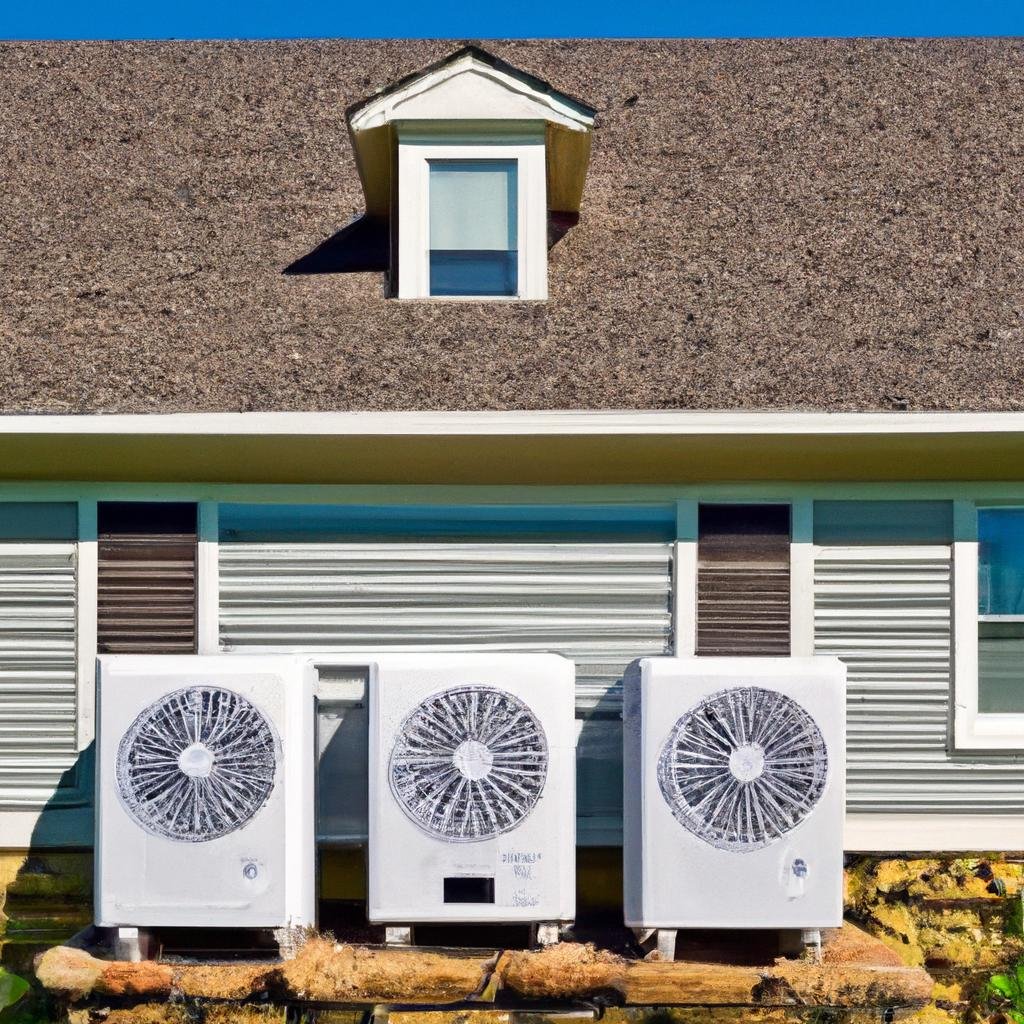
Artfully tiptoeing through the maze of home comfort, have you found yourself tangled in the obscure world of mini splits? First, take heart in the knowledge that you’re not alone. Many homeowners have been struck with the confusion bug as they navigate this realm, and you’re in the right place for help! Welcome, dear reader, to your personal guide on mini splits – or as I like to call them, the clandestine maestros of home comfort! Envisage, if you may, a wonderfully fathomable world where your home is not just a mix of fluctuating temperatures, but an oasis of perfect comfort, thanks to these unsung heroes. As we journey together, the question pressing on our minds will be – just how many of these mini splits should your home have? So, slip into something comfortable, grab a cup of your favorite brew and let’s dive right in, shall we?
Understanding the Principle of Mini Splits for Efficient Home Cooling
As you delve into efficient home cooling methods, you are bound to come across mini splits. These devices are designed to function differently from your ordinary cooling equipment. Mini split systems are stand-alone units that have an indoor and outdoor component which work together to cool your living space. Instead of cooling the entire house at once, mini splits provide zoned cooling. This unique aspect of these units allows for customization of temperature in distinct areas of your home to suit your comfort needs.
So, how many mini splits should a home have? Well, the rule of thumb is one per room. However, this isn’t set in stone as the amount you need largely depends on several factors including the size of your home, the number of rooms, and how often you use each room. Large living areas or rooms with lots of windows might require more than one mini split for effective cooling.
| Room Size | Mini Split Size |
|---|---|
| less than 450 sq ft | 9000 BTU |
| 450 – 1000 sq ft | 18000 BTU |
| 1000 – 1450 sq ft | 24000 BTU |
- Shape and layout of rooms: Square rooms need less cooling power compared to longer, narrow rooms or open plan spaces. This is because the air can circulate better in square rooms.
- Insulation: The better the insulation, the less cooling power you will need. Older houses typically lack enough insulation, so you may need more mini splits.
- Climate: If you live in a hot climate, for instance, the desert Southwest, you may need more units as they might have to operate continuously to maintain comfortable temperatures.
These considerations will help you to decide how many mini splits are necessary to achieve efficient and comfortable home cooling.
Determining the Ideal Number of Mini Splits per Household for Maximum Comfort
Every home is unique, and the number of mini splits you’ll require to keep it comfortable will differ significantly. Several factors come into play including the size and layout of your home, the climate in your area, and your personal preferences. A rule of thumb is that a 9,000 BTU mini split can effectively heat or cool about 450 square feet of space. But this formula needs to be customized depending upon insulation of your home, ceiling height, number of windows, etc. For example, for optimal results in a two-bedroom house, you would likely need two mini splits – one for the living area and one for the bedrooms area.
To make a more detailed calculation, follow these steps:
- Calculate Total Square Footage: Start by determining the total square footage of the space you would like to cool. Don’t forget to include high-heat areas like the kitchen or rooms with high-ceilings.
- Identify Your Climate: The local climate plays a major role too. If you live in an area that sees extreme temperatures, you may need a mini split with a higher BTU rating.
- Determine the Number of Zones: In homes with maximum comfort, each zone (or room) has its own mini split. That means more units, but also more control over your comfort.
- Assess Your Insulation: Good insulation can reduce the load on your mini split. Check which rooms are better insulated than others, and plan accordingly.
| Area in Sq.Ft | BTU Needed (approx) | ||||||||
|---|---|---|---|---|---|---|---|---|---|
| 450 | 9000 | ||||||||
| 650 | 12000 | ||||||||
| 800 | 15000 | ||||||||
| 1000 | 18000 |
By following these steps, you can plan and achieve ideal comfort, alongside energy efficiency. Remember, you’re not only determining the number of mini splits but also the size and power of individual unit.

Delving into the Factors that Influence the Need for Additional Mini Splits
Now that we’ve started discussing how many mini splits a house should have, there are several key factors worth considering. These factors greatly influence the number of additional mini splits required for optimal temperature management indoors.
Climate of Your Area: The climate of your geographical location is a crucial determinant on the number of mini splits you may need. If you reside in an area with extreme temperatures, your demands for heating and cooling may prompt the need for more systems to maintain a comfortable indoor environment. Size of the Property: Similarly, the size of your property plays a pivotal role too. Larger homes may need more mini splits to ensure adequate temperature regulation throughout every room.
- Home Insulation: If you have poor insulation, more heating or cooling is lost to the surroundings, hence demanding more units to maintain the desired inside temperature.
- Number of Occupants: The number of occupants also influences the number of units required. A single person may find one unit sufficient, whereas a larger family may need more mini splits to keep temperature even across different rooms.
- Household Energy Efficiency: An energy-efficient home affords better temperature retention; hence, fewer mini splits as compared to a less efficient setup.
| Relevant Factors | |
|---|---|
| Climate | Property Size |
| Insulation | Number of Occupants |
| Energy Efficiency | |
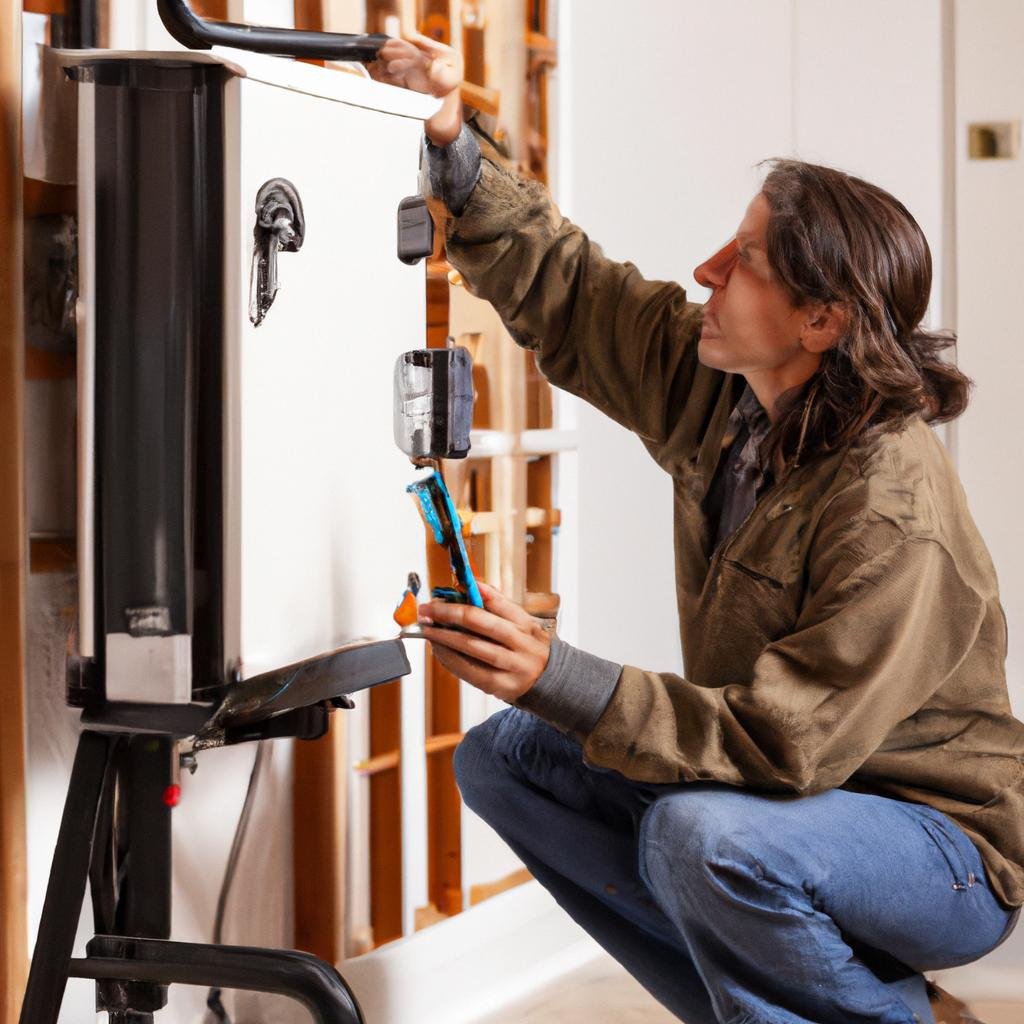
Tailoring Your Mini Split Installation: Expert Recommendations for Best Results
Deciding on the number of mini splits to install in your house can be a daunting task. This decision largely depends on a few key factors. For example, the size and layout of your house are primary considerations, along with zoning needs, insulation, and individual comfort preferences.
Firstly, consider the layout of your house. If your home has a more open floor plan, one or two mini splits may be sufficient to cool and heat the entire house. However, should your house have multiple rooms that are separated by doors and walls, each of those rooms might need a dedicated mini split. Expert recommendation: Carefully study your house’s layout and try to visualize how the air will flow from the mini split throughout the room.
- Zoning Needs: If you desire different temperature zones in different areas of the house, then installing a mini split in each zone would be a great solution.
- Insulation: A well-insulated house might require fewer mini splits since insulation helps maintain the indoor temperature.
- Individual Comfort Preferences: For households where individual members have unique temperature preferences, having more mini splits provides customized comfort in different areas.
Essentially, the number of mini splits you should have in your house should provide a comfortable environment without wasteful over-cooling or heating. Don’t be afraid to consult a professional HVAC technician to guide you in making the best decision for your home!
| Room Size | Recommended Mini Split BTU |
|---|---|
| 150-250 sq ft | 6000 BTU |
| 250-300 sq ft | 7000 BTU |
| 300-350 sq ft | 8000 BTU |
| 350-400 sq ft | 9000 BTU |
The table above is a rough guide in determining the appropriate BTU (British Thermal Unit) for each room size. Consult with a professional to get a precise computation for your specific installation.
Q&A
Q: I’m currently building my own home. Can you tell me what mini splits are and why should I consider them?
A: Of course! Mini splits are a kind of heating and cooling system for your house. Unlike traditional systems, these small-sized devices can be strategically installed in different parts of your home to deliver air directly into different areas. They are energy efficient, cost-effective and easier to install than most central systems.
Q: Is there an ideal number of mini splits a house should have?
A: The number of mini splits you need usually depends on the size and design of your house. Each room or area you wish to condition needs its own unit. However, there’s no universal standard or a strict rule – it’s all about creating the most comfortable living environment for you!
Q: I live in a two-story house. How many mini splits should I install?
A: As with any building, it depends on your specific requirements. If you have different zones within your house (like upstairs and downstairs), you might want to install a mini split for each zone. However, if you have a larger budget, consider placing one in each room for the ultimate temperature control.
Q: Can I install mini splits by myself?
A: While it’s possible to DIY mini split installation, we highly recommend hiring professionals. This ensures the job is done right, with the least chances of making costly mistakes or causing damage, ensuring your mini split system functions optimally.
Q: How long do mini splits usually last?
A: On average, a well-maintained mini split can have a lifespan of 10 to 15 years. Regular maintenance and proper usage significantly contribute to the longevity of these systems.
Q: Is it more environmentally friendly to use mini splits?
A: Yes, indeed. Mini splits are generally more energy efficient compared to traditional HVAC systems. They only condition the rooms in use, preventing energy wastage and thus reducing your carbon footprint.
Q: How do mini splits affect house designs?
A: The great thing about mini splits is their versatility – they can be installed in any room and are available in various styles to blend seamlessly into your home decor. The design impact can range from almost invisible to a prominent, sleek fixture, depending on your preference.
Q: Does the exterior design of a house matter when installing mini splits?
A: Yes, it does. You’ll need a suitable outdoor space for the outdoor units. But beyond that, mini splits are generally flexible and adaptable to suit different house designs and structures.
To Wrap It Up
And so, our journey into the cooling realm of mini splits concludes. We’ve trekked through BTUs and square footage, balancing cosy corners with energy efficiency. Remember, knowing how many mini splits a house should have is not science fiction – it’s about balance. It’s about pinpointing the perfect mix of comfort, energy efficiency and smart use of space. So, whether you’re cozying up in a quaint cottage or sprawling out in a four-story mansion, may your rooms be efficiently cooled, your energy bills low, and your summers serenely comfortable. Happy cooling, dear readers, till we meet again on another adventure in home improvement.